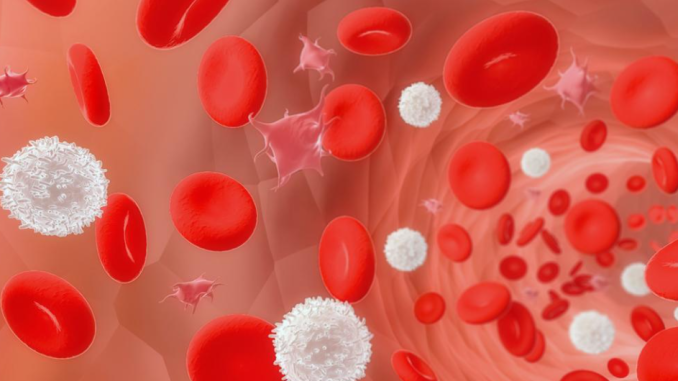
Many people associate cancer with a visible lump. But blood cancers can develop in the bone marrow, lymphatic system or blood itself, meaning there may be no obvious lump at all.
Leukaemia, lymphoma and multiple myeloma are different types of blood cancer. Their symptoms can vary, and many of the signs below can also be caused by less serious conditions.
1. Persistent tiredness
Unusual fatigue that does not improve with rest may occur, particularly when blood-cell production is affected.
2. Frequent infections
Some blood cancers interfere with the body’s ability to produce or use healthy white blood cells.
3. Easy bruising
Unexplained bruises or frequent bleeding may occur when platelet levels become low.
4. Frequent nose or gum bleeding
Repeated bleeding without an obvious reason should be investigated.
5. Unexplained weight loss
Losing weight without changing your diet or activity level can be a warning sign of several illnesses, including some cancers.
6. Night sweats
Some people with lymphoma experience heavy night sweats that soak their clothing or bedding.
7. Swollen lymph nodes
Painless swelling in the neck, armpit or groin may occur with lymphoma, although infections are a much more common explanation.
8. Fever that keeps returning
Persistent or recurring fever without a clear explanation deserves medical assessment.
How is blood cancer diagnosed?
Doctors may request a full blood count, blood-film examination, scans or a bone marrow test, depending on the suspected condition.
Having one of these symptoms does not mean you have cancer. But persistent, unexplained symptoms should not be ignored.
Do not rely on herbal mixtures or special foods to treat suspected blood cancer. Early medical assessment is important, and treatment depends on the exact type of cancer.
Leave a Reply