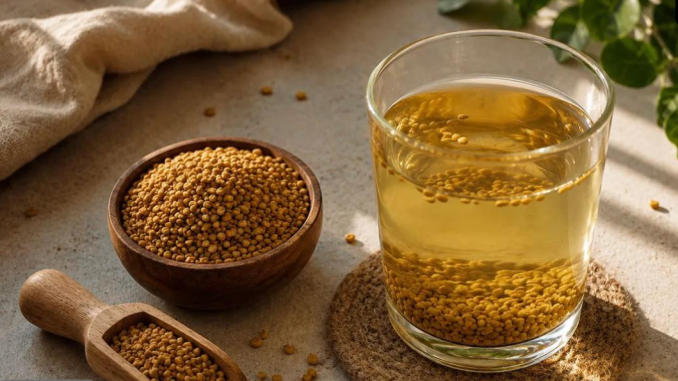
Fenugreek is a plant whose seeds are used as a spice and traditional herbal ingredient. Some people soak the seeds in water overnight and drink the liquid in the morning. Fenugreek contains fibre and plant compounds that have attracted scientific interest, but many traditional health claims have not been firmly established.
1. It provides plant compounds: Fenugreek seeds contain substances such as saponins and other compounds being studied for possible health effects.
2. It contains soluble fibre: The seeds are rich in fibre, which can support digestion when consumed as part of a balanced diet.
3. It may influence blood sugar: Some studies suggest fenugreek may affect blood glucose, but evidence is not sufficient to use it instead of diabetes medication.
4. It may affect cholesterol: Early research has explored possible effects on blood fats, but results are mixed and more evidence is needed.
5. It can cause digestive symptoms: Some people experience gas, bloating, diarrhoea or stomach discomfort.
6. It may cause allergic reactions: People allergic to peanuts, chickpeas or related legumes may also react to fenugreek.
7. It can interact with medicines: Fenugreek may increase the risk of low blood sugar when combined with diabetes medication and may affect bleeding risk with certain medicines.
How do people prepare it? A common household method is to soak a small quantity of seeds in clean water overnight. However, there is no medically established daily dose for treating health conditions.
Final thoughts: Fenugreek water should not be promoted as a cure for diabetes, infertility or digestive disease. Pregnant women should avoid medicinal amounts unless advised by a qualified healthcare professional. If you take regular medication, seek advice before using it as a supplement.
Leave a Reply