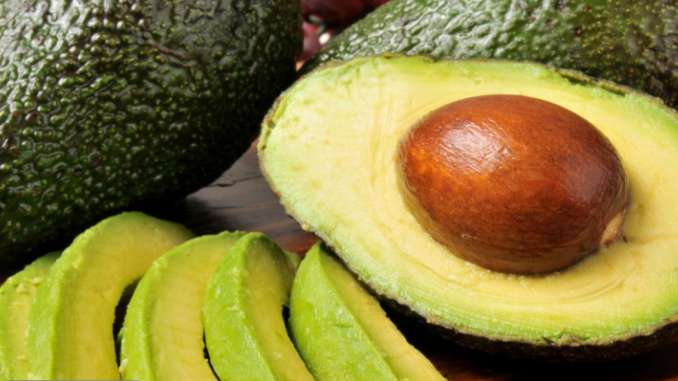
Avocado is a creamy fruit enjoyed in many countries. It can be eaten alone, added to salads or spread on bread. Unlike many fruits, avocado contains a relatively high amount of fat, most of which is monounsaturated fat. It also provides fibre and several important nutrients.
1. It provides healthy fats: Monounsaturated fats can help support a heart-healthy eating pattern when they replace some saturated fats.
2. It contains fibre: Fibre supports digestion and helps maintain healthy bowel movements.
3. It provides potassium: Potassium is important for normal muscle function, nerve signalling and blood pressure regulation.
4. It contains folate: Folate supports cell growth and is particularly important during pregnancy.
5. It provides vitamin E: Vitamin E helps protect cells from oxidative damage.
6. It can make meals more satisfying: The combination of fibre and fat may help some people feel full after eating.
7. It adds variety to meals: Avocado can replace butter or some creamy spreads, allowing people to include different sources of dietary fat.
How much should you eat? Avocado is nutritious but energy-dense. A moderate portion can fit into most balanced diets. There is no need to eat several avocados daily to gain nutritional benefits.
People with certain food allergies may react to avocado, and those following a medically prescribed diet may need individual advice.
Final thoughts: Avocado is not a treatment for high blood pressure, infertility or any other disease. However, eating it as part of a varied diet can provide useful nutrients and healthy fats. Combine it with vegetables, whole grains and protein sources for balanced meals.
Leave a Reply