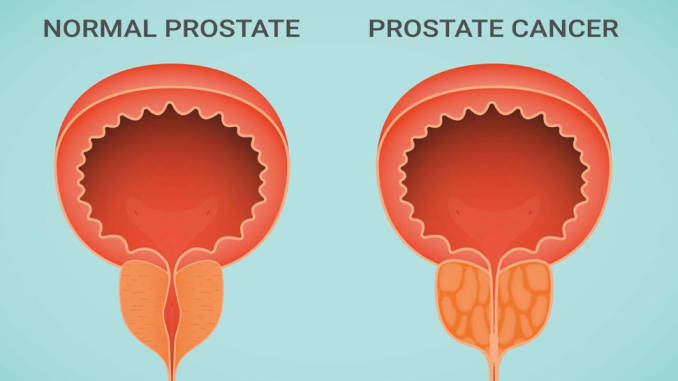
Prostate cancer is one of the important health concerns affecting men, particularly as they grow older. It develops when cells in the prostate gland begin growing abnormally. Some prostate cancers grow slowly, while others can be more aggressive.
1. Age is an important risk factor. The risk of prostate cancer increases as men grow older. It is less common in younger men but can still occur.
2. Family history matters. A man may have a higher risk if his father, brother or another close relative has had prostate cancer, particularly at a younger age.
3. Some men have no early symptoms. Early prostate cancer may cause no noticeable warning signs. This is why symptoms alone cannot reliably rule it out.
4. Urinary problems do not automatically mean cancer. Difficulty urinating, frequent urination and a weak urine stream can also be caused by an enlarged prostate or infection.
5. Blood in urine or semen needs medical attention. These symptoms can have several causes, but they should not be ignored or treated as proof of cancer.
6. Testing can help assess risk. A prostate-specific antigen (PSA) blood test may be used as part of an assessment. A digital rectal examination may also be considered. Screening decisions should be discussed with a healthcare professional because tests have benefits and limitations.
7. Treatment depends on the individual case. Depending on the cancer’s stage, growth and the man’s overall health, treatment may involve monitoring, surgery, radiotherapy, hormone treatment or other specialist care.
Final thoughts: Men should not wait until they feel seriously ill before discussing prostate health. Those with a strong family history or concerns about symptoms should speak with a doctor about their individual risk and whether testing is appropriate. Early medical assessment can help guide the right decisions.
Leave a Reply