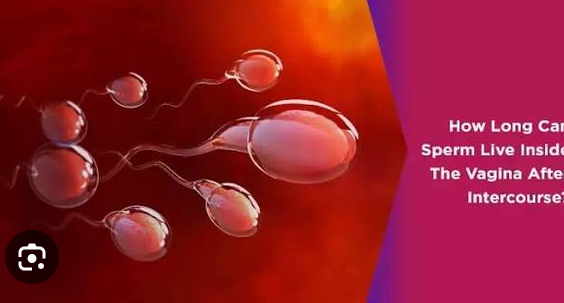
Many people understand that pregnancy can begin when a sperm cell fertilises an egg, but fewer know what happens to sperm after ejaculation inside the vagina. The female reproductive system has several natural processes that determine which sperm survive and whether fertilisation can occur.
1. Semen is deposited in the vagina. During ejaculation, semen containing millions of sperm cells is usually released into the vagina. Semen is the fluid; sperm are the reproductive cells inside it.
2. Some sperm begin travelling towards the cervix. Sperm move using their tails. Some may enter cervical mucus, which can help sperm travel through the cervix.
3. Many sperm do not survive the journey. The vagina is naturally acidic, and many sperm cells die or become unable to move. The female reproductive tract also has natural barriers that only some sperm pass through.
4. Some sperm can reach the uterus. Sperm that pass through the cervix may travel into the uterus and towards the fallopian tubes.
5. Sperm may survive for several days. Under favourable conditions, particularly around ovulation when cervical mucus is suitable, sperm can survive inside the female reproductive tract for up to about five days.
6. Fertilisation may occur. If an egg is present in a fallopian tube, one sperm may enter it and fertilise it. This is the beginning of a possible pregnancy.
7. Unused sperm are eventually broken down. Sperm that do not fertilise an egg eventually lose their ability to function and are broken down or cleared naturally by the body.
Final thoughts: Sperm do not remain alive inside a woman’s body forever, and not every sexual encounter leads to pregnancy. Because sperm may survive for several days, pregnancy can occur even when sex happens before ovulation. If pregnancy is not desired, reliable contraception is important.
Leave a Reply