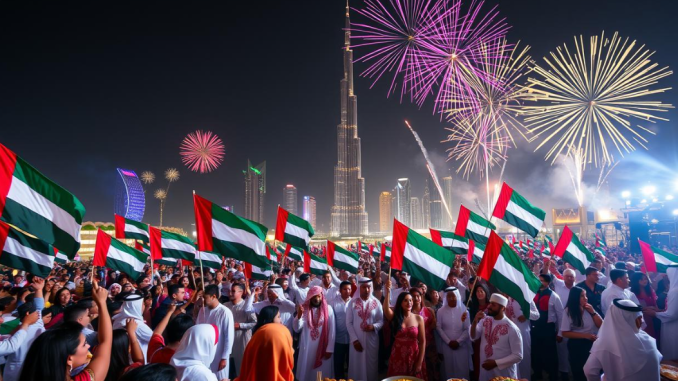
Many countries celebrate a national day, but some countries have more than one important day connected to their history. One date may mark independence, while another remembers the establishment of a republic, a revolution or another major event. These celebrations tell stories about how countries became what they are today.
1. Independence and republic days can be different: A country may celebrate the day it became independent from colonial rule and another day when it officially became a republic.
2. Pakistan has multiple national commemorations: Pakistan observes important national days connected to its independence, the republic and other major historical events.
3. India celebrates different historical milestones: India celebrates Independence Day on 15 August and Republic Day on 26 January. The first marks independence from British rule, while the second marks the date its Constitution came into effect.
4. France has a national day linked to revolution: France’s national day on 14 July is associated with the French Revolution and the storming of the Bastille.
5. Some countries remember the end of conflict: A country may have a separate day to remember the end of a war, a peace agreement or the sacrifices of people who fought for freedom.
6. Historical events can have different meanings: Independence, constitutional government and national unity are not necessarily the same event. That is why different dates may be celebrated.
Final thoughts: National days are more than public holidays. They help countries remember the struggles, decisions and events that shaped their identity. When you see a country celebrating more than one national day, each date may represent a different chapter in its history.
Leave a Reply