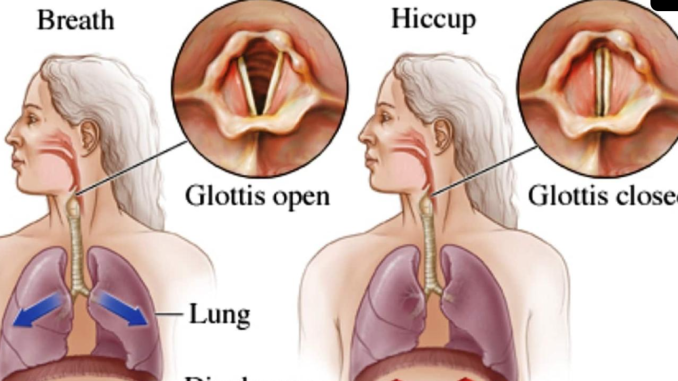
Almost everyone has experienced hiccups at some point. They may begin while eating, drinking or talking, and sometimes disappear after a few minutes. But what happens when they continue for hours? Hiccups can be irritating, especially when they interrupt conversations, meals or sleep. Although most cases are harmless, persistent hiccups can sometimes point to an underlying problem.
1. Your diaphragm contracts unexpectedly
The diaphragm is a muscle located beneath the lungs that helps you breathe. Hiccups happen when it suddenly contracts involuntarily, followed by the quick closure of the vocal cords. This produces the familiar sound.
2. Eating too quickly can trigger hiccups
Swallowing food too quickly may cause you to take in excess air. This can contribute to irritation around the diaphragm and trigger hiccups.
3. Carbonated drinks may contribute
Soft drinks and other fizzy beverages release gas in the stomach. In some people, this can trigger hiccups, especially when consumed quickly.
4. Sudden changes in temperature may play a role
Moving quickly between very hot and very cold foods or drinks may trigger hiccups in some individuals. The exact mechanism is not always clear.
5. Stress and excitement can trigger episodes
Strong emotions, laughter and sudden excitement may affect breathing patterns and contribute to hiccups.
6. Persistent hiccups may need medical attention
Hiccups lasting more than 48 hours are considered persistent. They can sometimes be associated with medication effects, nerve irritation, digestive problems or neurological conditions. A healthcare professional should investigate them.
Final thoughts
Most hiccups disappear naturally. Eating slowly, avoiding excessive fizzy drinks and taking calm breaths may help. However, if hiccups continue for more than two days, interfere with eating or sleeping, or occur alongside other worrying symptoms, seek medical advice.
Leave a Reply