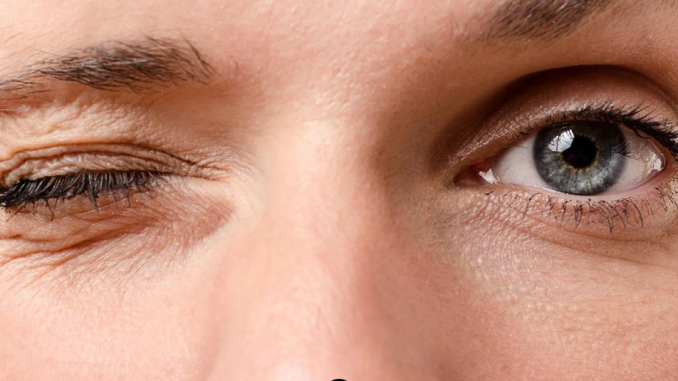
An eye twitch can be surprisingly annoying. You may be speaking to someone, working on your phone or watching television when one eyelid suddenly begins to jump repeatedly. Sometimes it lasts for a few seconds; other times, it returns throughout the day.
Many people attach unusual meanings to eye twitching, but there are ordinary physical explanations for most cases.
1. Lack of sleep
Not getting enough sleep can make the muscles around the eyelids more likely to twitch. If you have been staying awake late or sleeping poorly for several nights, your eyes may become more sensitive.
2. Stress and anxiety
Stress can affect different parts of the body, including the muscles around the eyes. Some people notice more frequent twitching during periods of emotional pressure or worry.
3. Too much caffeine
Coffee, energy drinks and strong tea contain caffeine, which stimulates the nervous system. Consuming large amounts may contribute to eyelid twitching in some people.
4. Eye strain from screens
Spending long hours looking at phones, laptops or television screens can cause eye fatigue and dryness. Taking regular breaks and adjusting screen brightness may help reduce discomfort.
5. Dry or irritated eyes
Dryness, allergies and irritation can make the eyes uncomfortable and contribute to blinking or twitching. If you also experience redness, itching or a gritty sensation, an eye examination may be useful.
6. Certain medicines or neurological conditions
Some medications may contribute to muscle twitching. Rarely, persistent or unusual facial spasms can be associated with neurological conditions, particularly when other facial muscles are involved.
When should you seek help?
See an eye-care professional if twitching continues for several weeks, your eyelid closes completely, you develop drooping, redness, swelling or discharge, or the twitching spreads to other parts of your face.
Final thoughts
An occasional eyelid twitch is usually harmless and often improves when you get enough rest, reduce caffeine and manage screen time. It is not a reliable sign of good or bad luck. Persistent or unusual symptoms deserve proper medical attention.
Leave a Reply