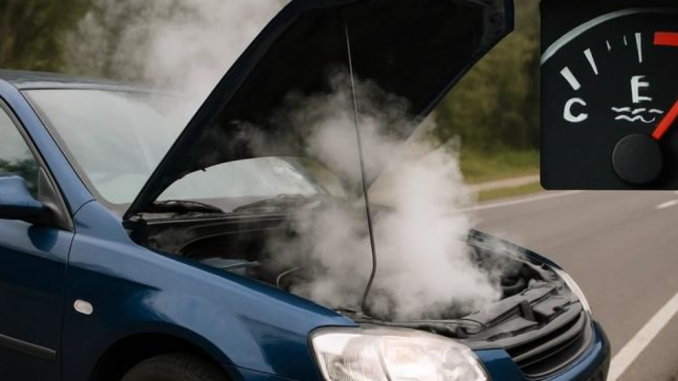
Seeing the temperature gauge rise suddenly while driving can be frightening. A car that overheats may have a cooling-system problem, low coolant, a faulty fan or another mechanical fault. Continuing to drive in that condition can cause serious engine damage.
1. Find a safe place to stop, If the temperature warning appears, look for a safe place to pull over. Avoid stopping in the middle of a busy road if you can safely reach a lay-by or suitable parking area.
2. Switch off the engine
Once you have stopped safely, turn off the engine. This helps prevent further heat buildup and possible damage.
3. Turn on your hazard lights
Other road users need to know that your vehicle has a problem. Use your hazard lights while you wait for assistance.
4. Never open a hot radiator cap
This is extremely important. A hot cooling system can contain pressurised liquid that may spray out and cause serious burns. Wait until the engine has cooled completely and follow the vehicle manufacturer’s instructions.
5. Look for obvious leaks from a safe distance
After the vehicle cools, you may notice liquid beneath the car or around the engine area. Do not touch hot components or reach near moving parts.
6. Call a mechanic or roadside assistance
If you are unsure what caused the overheating, get professional help. A mechanic can inspect the radiator, coolant level, hoses, fan and other components.
7. Do not keep driving if the warning returns
Even if the temperature drops temporarily, the original problem may still be present. Driving again without checking the cause could make the damage worse.
Final thoughts
Overheating is not something to ignore or solve by simply pouring water into a hot radiator. Stop safely, allow the engine to cool and get the cooling system checked before continuing your journey.
Leave a Reply