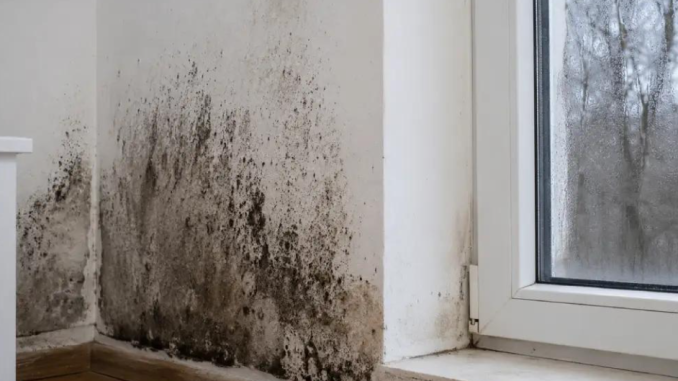
A house can look clean and still have a moisture problem hiding behind furniture, under a sink or inside a ceiling. If dampness is left untreated, it can damage building materials and encourage mould growth.
1. A persistent musty smell
A damp, earthy smell that remains even after cleaning may indicate trapped moisture. Check cupboards, corners, bathrooms and areas behind large furniture.
2. Paint begins to bubble or peel
Moisture can weaken the bond between paint and the wall. Bubbling, flaking or discoloured paint may be a sign of water entering the surface.
3. Dark patches appear on walls
Black, green or brown spots may be mould or another type of staining. Do not assume every dark mark is mould, but investigate recurring patches and the source of moisture.
4. Wooden furniture starts swelling
Wood can absorb moisture from the surrounding air or from direct water exposure. Doors, cupboards and furniture may swell, warp or become difficult to close.
5. Water stains appear on the ceiling
Brown marks, peeling plaster or damp patches may point to a roof leak, plumbing problem or water entering from another floor.
6. Condensation regularly forms on windows
Repeated water droplets on windows can indicate high indoor humidity or poor ventilation. This is especially noticeable in rooms with limited airflow.
Final thoughts
Repair leaking pipes and roofs, improve ventilation and dry wet areas promptly. Avoid simply painting over damp patches because the underlying problem may remain. If mould covers a large area or keeps returning, consider getting professional help to identify and fix the moisture source.
Leave a Reply