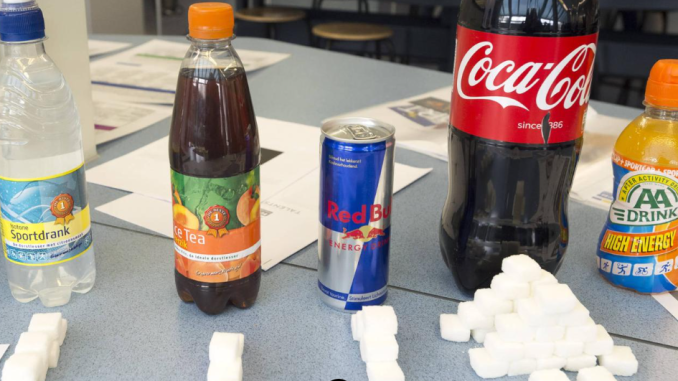
Many people are careful about how much sugar they add to tea or pap. However, they may forget that some everyday drinks already contain considerable amounts of sugar. A drink can taste refreshing and still contribute a surprising amount of added sugar to your diet.
Knowing what is in your glass can help you make better choices.
1. Packaged fruit juice
Some packaged fruit drinks contain added sugar, even when the packaging shows pictures of fresh fruit. Others contain little or no actual fruit juice. Check the ingredients and nutrition label instead of judging by the colour or fruit image.
2. Soft drinks
Regular fizzy drinks often contain large amounts of added sugar. Drinking them frequently can make it easier to consume more sugar than you realise. Water or unsweetened drinks are better everyday choices.
3. Energy drinks
Some energy drinks contain both caffeine and added sugar. They may temporarily increase alertness, but frequent consumption can contribute to high sugar intake and cause problems such as palpitations or sleep disturbance in some people.
4. Sweetened yoghurt drinks
Yoghurt can provide protein and calcium, but flavoured yoghurt drinks may contain added sugar. Compare labels when buying them, and consider plain, unsweetened yoghurt if it suits your dietary needs.
5. Sweetened tea and coffee
Tea and coffee themselves contain little or no sugar when prepared plain. The amount can increase quickly when you add several spoonfuls of sugar, sweetened condensed milk or flavoured syrups.
6. Malt drinks
Some malt beverages contain significant amounts of sugar. Although they may be marketed as nourishing or energy-giving, they should not automatically be treated as low-sugar drinks. Check the nutrition information before making them an everyday habit.
Final thoughts
You do not need to eliminate every sweet drink to eat healthily, but frequency and portion size matter. Read labels, choose water more often, and reduce added sugar gradually. People with diabetes or other medical conditions should discuss suitable drink choices with their healthcare professional.
Leave a Reply