Most people know that reproduction usually involves a male and a female. However, some animals have a remarkable ability to produce offspring without fertilisation by a male. Scientists call this process parthenogenesis.
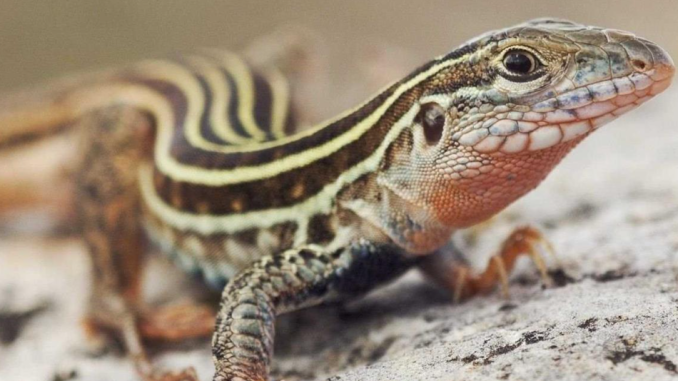
1. Whiptail lizards. Some whiptail lizard species consist entirely or almost entirely of females. They reproduce through parthenogenesis, producing offspring without males.

2. Komodo dragons

Female Komodo dragons have been documented producing offspring without mating through parthenogenesis. This is particularly remarkable because these animals are among the largest living lizards.
3. Certain sharks

Some female sharks have produced young without a male through parthenogenesis, including documented cases in captivity. Scientists continue to investigate how often this happens in the wild.
4. Certain snakes

Parthenogenesis has been documented in several snake species. It is not the normal reproductive method for most snakes, but it can occur under particular circumstances.
5. Stick insects

Some stick insect species can reproduce without males. Females may lay eggs that develop without fertilisation.
6. Aphids

Aphids often reproduce without fertilisation during favourable conditions. This allows their populations to increase rapidly when food is abundant.
7. Water fleas

Certain water fleas can produce offspring without fertilisation, particularly when environmental conditions are favourable. They may switch reproductive strategies when conditions change.
Final thoughts
Parthenogenesis shows that nature has more than one reproductive strategy. It can help some species reproduce when mates are unavailable, although it does not mean every animal can reproduce alone.
Leave a Reply