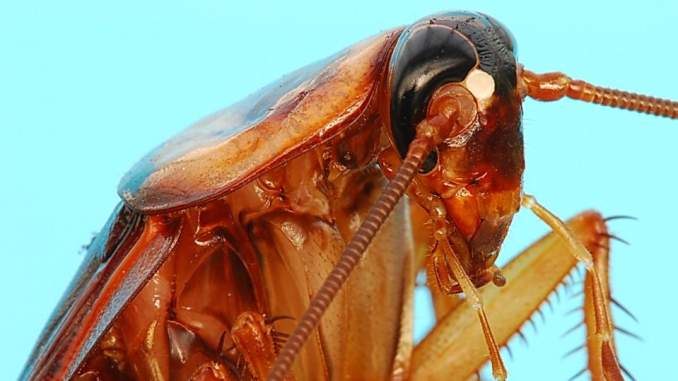
Imagine an animal continuing to move even after losing its head. It sounds impossible, but certain creatures have unusual biological features that allow them to survive severe injuries or regenerate lost body parts. The cockroach is one of the most famous examples.
1. Cockroaches
Cockroaches can sometimes survive for days or even longer after decapitation. Unlike humans, they breathe through small openings along their bodies called spiracles. They eventually die because they cannot drink water and because the injury causes other problems.

2. Planarian flatworms

Some planarian flatworms can regenerate a new head after being cut. Their bodies contain special stem cells that allow them to rebuild missing structures.
3. Hydras

Hydras are tiny freshwater animals with remarkable regenerative abilities. They can rebuild body structures after serious injuries, making them important subjects in biological research.
4. Starfish

Some starfish can regenerate lost arms. In certain species, a separated arm containing enough central tissue can develop into a new individual.
5. Sea cucumbers

Some sea cucumbers can eject internal organs when threatened and later regenerate them. This is a defence strategy rather than survival without a head.
6. Axolotls

Axolotls can regenerate limbs and repair certain damaged tissues. However, they cannot regenerate a missing head.
7. Salamanders

Several salamander species can regenerate lost limbs and parts of other tissues. Their abilities are impressive, but they cannot survive losing their heads.
Final thoughts
The cockroach’s survival after decapitation is unusual, while other animals on this list are famous for regeneration. Nature has developed different survival strategies, but none of these examples means an animal can live indefinitely without essential body parts.
Leave a Reply