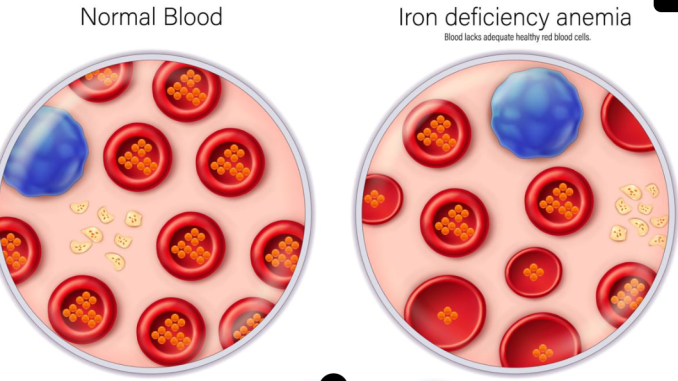
Iron is an important mineral that helps the body produce haemoglobin, a protein in red blood cells responsible for carrying oxygen. When the body does not have enough iron, it may struggle to produce healthy red blood cells, leading to iron-deficiency anaemia. This condition can affect people of different ages, and some of its early symptoms are easy to mistake for ordinary tiredness.
1. Constant tiredness
Feeling unusually tired even after resting can be one sign of iron deficiency. When the body has insufficient haemoglobin, less oxygen may be delivered to tissues, making everyday activities feel more exhausting.
2. Pale skin
Some people with anaemia develop paler-than-usual skin. This may be noticeable around the inside of the lower eyelids, palms or nail beds, although appearance alone cannot confirm iron deficiency.
3. Shortness of breath
You may become breathless during activities that previously felt easy, such as climbing stairs or walking quickly. This can happen because the body is struggling to deliver enough oxygen.
4. Headaches and dizziness
Iron-deficiency anaemia can sometimes be associated with headaches, light-headedness or dizziness. These symptoms have many possible causes, so testing is important.
5. Cold hands and feet
Some people with iron deficiency report feeling unusually cold, particularly in their hands and feet. Poor oxygen delivery and changes in circulation may contribute.
6. Brittle nails or unusual cravings
Iron deficiency can sometimes cause brittle nails. A less familiar symptom is pica, a condition in which a person develops cravings for non-food substances such as ice, clay or soil. This should be discussed with a healthcare professional.
Foods that can provide iron
Meat, fish, poultry, beans, lentils and some dark leafy vegetables provide iron. Vitamin C-rich foods such as oranges, guava and tomatoes can help the body absorb iron from plant foods.
Final thoughts
These symptoms do not prove that someone has low iron. Heavy menstrual bleeding, pregnancy, poor dietary intake and some digestive conditions can contribute to iron deficiency. A blood test can help identify the problem. Avoid taking iron supplements without proper advice because too much iron can be harmful.
Leave a Reply