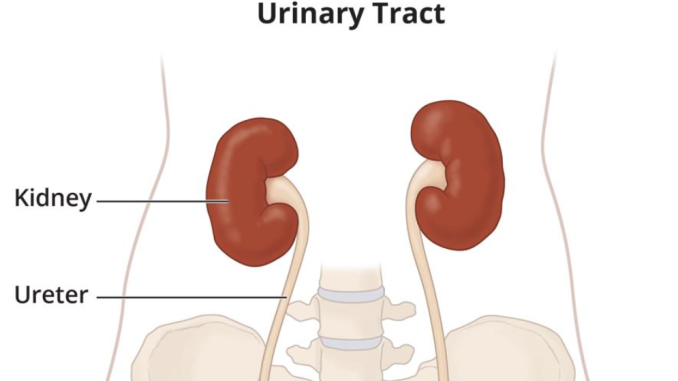
A burning sensation when passing urine is something many people experience but may feel uncomfortable discussing. Some ignore it, hoping it will disappear after drinking more water. Others immediately buy medication without knowing what is causing the problem.
However, painful urination can have several causes, and identifying the correct one is important.
1. Urinary tract infection
A urinary tract infection (UTI) is one common cause of painful urination. It may also cause frequent urges to urinate, lower abdominal discomfort and cloudy urine. UTIs can affect both men and women.
2. Sexually transmitted infections
Some sexually transmitted infections, including gonorrhoea and chlamydia, can cause burning during urination. Discharge, genital discomfort or pelvic pain may also occur. Testing and appropriate treatment are important.
3. Kidney or bladder stones
Stones in the urinary system can cause pain, blood in the urine and difficulty passing urine. Depending on their location, they may also cause severe pain in the back, side or lower abdomen.
4. Irritation from certain products
Some soaps, scented washes and hygiene products can irritate sensitive genital skin. This may cause discomfort that feels like burning, particularly when urine touches the irritated area.
5. Prostate-related problems in men
Inflammation of the prostate, known as prostatitis, can cause painful urination, pelvic discomfort and difficulty passing urine. An enlarged prostate may also cause a weak stream or frequent urination.
6. Dehydration is not the only explanation
Concentrated urine may sometimes irritate the urinary tract, but burning should not automatically be blamed on inadequate water intake. Persistent symptoms need proper assessment.
When should you seek medical attention?
Seek prompt care if painful urination comes with fever, chills, back or side pain, vomiting, blood in the urine, pregnancy or difficulty passing urine. These symptoms may indicate a condition requiring urgent treatment.
Final thoughts
Painful urination is a symptom, not a diagnosis. Avoid taking leftover antibiotics or buying random medication. A healthcare professional may request a urine test or other investigations before recommending treatment.
Leave a Reply