HIV is a virus that attacks the immune system, particularly CD4 cells. Some people develop flu-like symptoms during the first few weeks after infection, while others experience no noticeable symptoms. These symptoms are not proof of HIV because many common illnesses can cause similar problems.
Here are seven possible early symptoms.
1. Fever: Some people develop a fever as the immune system responds to the infection.
2. Sore throat: A sore throat may occur alongside other flu-like symptoms.
3. Swollen lymph nodes: Glands in the neck, armpits or groin may become enlarged.
4. Skin rash: Some people develop a rash, although its appearance varies.
5. Headache: Headaches can occur during the early illness.
6. Muscle and joint pain: Body aches may accompany fever and tiredness.
7. Night sweats and fatigue: Some people experience unusual sweating, weakness or exhaustion.
Can symptoms confirm HIV?
No. These symptoms cannot diagnose HIV. Some people with HIV have no symptoms, and people without HIV can experience every symptom listed above.
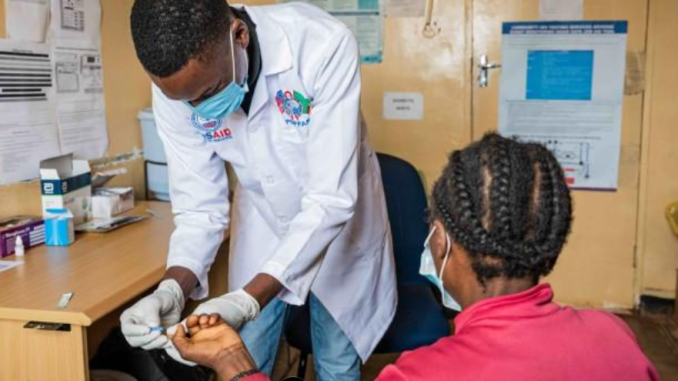
The only reliable way to know your HIV status is to take an appropriate HIV test.
What should someone do after possible exposure?
Seek medical advice promptly. Post-exposure prophylaxis, known as PEP, can reduce the risk of infection but must be started within 72 hours, preferably as soon as possible.
Follow the testing schedule recommended by a healthcare professional because different tests have different window periods.
Do not wait for symptoms before getting tested. Early diagnosis allows treatment to begin promptly and helps protect long-term health.
HIV is manageable with effective medication, and people living with HIV can lead long and fulfilling lives.
Leave a Reply