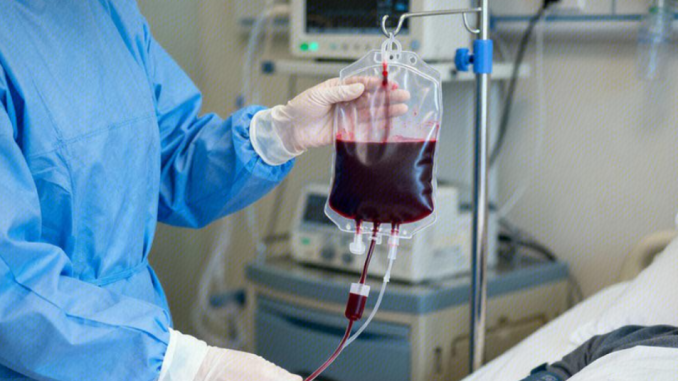
Blood transfusions save lives, especially after serious bleeding, major surgery or certain illnesses. However, receiving incompatible blood can cause a dangerous reaction. This is why hospitals follow strict blood testing and compatibility procedures.
Here are seven important facts.
1. The immune system may recognise the blood as foreign: If incompatible red blood cells enter the body, the recipient’s antibodies may attack them.
2. Red blood cells can break apart: This process is called haemolysis and can release substances that damage the body.
3. Fever and chills may occur: A transfusion reaction can cause sudden fever, chills and discomfort.
4. Pain may develop: Some people experience back, chest or abdominal pain during a serious reaction.
5. Blood pressure may fall: Severe reactions can affect circulation and cause dangerously low blood pressure.
6. The kidneys can be damaged: Substances released during red blood cell destruction can injure the kidneys and may cause acute kidney injury.
7. Emergency treatment may be necessary: If a reaction is suspected, medical staff stop the transfusion and begin appropriate assessment and treatment.
How do hospitals prevent this?
Before a transfusion, staff check patient identity, determine blood group, screen for relevant antibodies and perform compatibility testing when indicated.
Never arrange a blood transfusion outside a properly equipped medical service. Knowing that two people share the same ABO group is not enough to guarantee compatibility.
If you are receiving blood and suddenly develop chills, fever, breathing difficulty, chest pain or unusual discomfort, tell medical staff immediately.
Blood transfusion is generally safe when appropriate procedures are followed. Careful testing protects patients from avoidable complications.
Leave a Reply