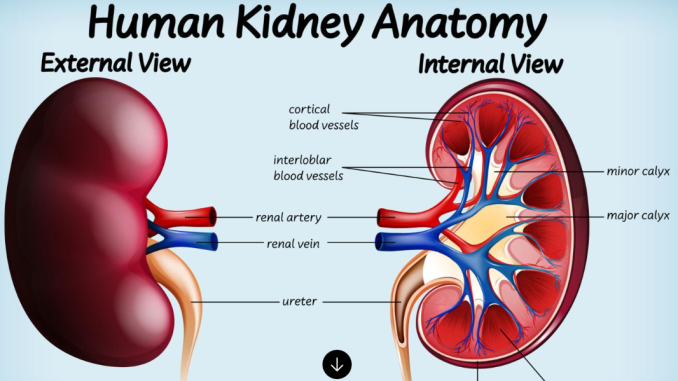
The kidneys filter waste from the blood, balance fluids and help regulate blood pressure. When they stop working properly, the problem may be sudden or develop gradually over time.
Here are seven important differences. 1. Acute kidney injury happens suddenly: It can develop over hours or days, sometimes after severe dehydration, infection, blood loss or certain medicines.
2. Chronic kidney disease develops over time: It involves kidney damage or reduced kidney function lasting at least three months.
3. The causes can differ: Acute injury may follow severe illness, while chronic disease is commonly associated with diabetes and high blood pressure.
4. Recovery is possible after acute injury: Some people recover much or all of their kidney function when the underlying cause is treated promptly. Others develop lasting damage.
5. Chronic disease may progress gradually: Some people live with early kidney disease for years without noticeable symptoms.
6. Testing is important: Blood creatinine and estimated glomerular filtration rate help assess kidney function. Urine albumin testing can detect kidney damage.
7. Treatment depends on the cause: Doctors may correct dehydration, treat infection, adjust medicines or manage underlying conditions. Advanced kidney failure may require dialysis or transplantation.
What should you remember?
Passing normal amounts of urine does not guarantee that your kidneys are healthy. Kidney disease can exist without obvious symptoms.
People with diabetes, high blood pressure or a family history of kidney disease should ask about appropriate kidney checks.
Seek urgent medical attention if you become severely unwell, produce very little urine or develop sudden swelling and breathlessness.
Acute kidney injury and chronic kidney disease are different conditions, but both deserve proper medical assessment. Early diagnosis can help prevent further damage.
Leave a Reply