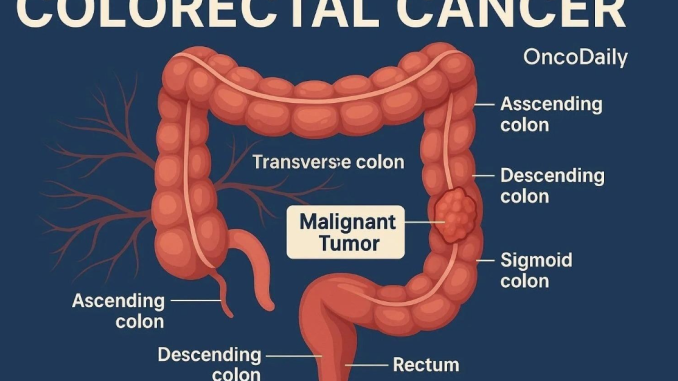
Colon cancer develops in the large intestine. It may begin as small growths called polyps, some of which can become cancerous over time. Screening can detect certain polyps and early cancers before symptoms appear.
Here are seven possible signs. 1. Blood in the stool: Red blood or very dark stool can indicate bleeding in the digestive tract. Several conditions can cause this, but it needs assessment.
2. Persistent changes in bowel habits: Ongoing diarrhoea, constipation or a change in how often you pass stool deserves attention.
3. Feeling that the bowel has not emptied: A persistent sensation that you still need to pass stool after using the toilet can be a warning sign.
4. Unexplained weight loss: Losing weight without trying may occur with several illnesses, including some cancers.
5. Abdominal discomfort: Persistent cramps, pain or bloating should be assessed, especially when accompanied by other symptoms.
6. Unusual tiredness: Slow blood loss from the bowel can cause iron-deficiency anaemia, which may lead to fatigue and weakness.
7. Narrower stools that persist: A lasting change in stool shape, particularly alongside other symptoms, should be discussed with a clinician.
Who should consider screening?
Screening recommendations depend on age, family history and local guidelines. People with a close relative who had colorectal cancer or certain bowel conditions may need earlier assessment.
Do not assume that blood in stool is simply piles. A healthcare professional can determine whether examination, stool testing, colonoscopy or other investigations are needed.
Many bowel symptoms have non-cancerous explanations. However, persistent changes, unexplained anaemia or rectal bleeding should not be ignored. Screening and early assessment can improve the chances of finding colorectal cancer at a treatable stage.
Leave a Reply