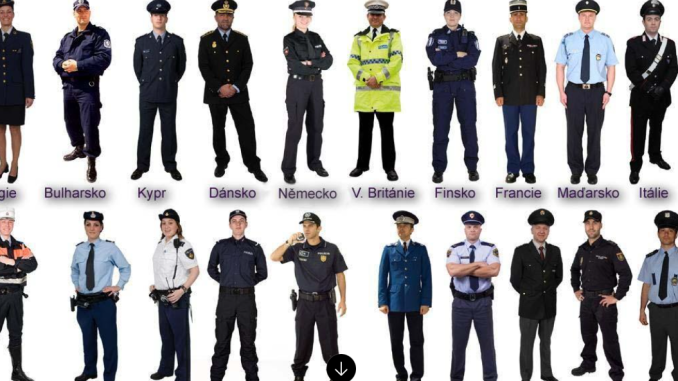
Have you noticed that police officers in some countries wear dark blue uniforms, while others wear green, black, khaki or light blue? Police uniforms are not designed randomly. Their colours often reflect history, climate, practical needs and national traditions.
Here are seven reasons why police uniforms differ around the world.
1. Historical traditions: Some police forces continue using colours that were established many decades ago. These colours become part of the institution’s identity.
2. Visibility: Bright or reflective details may help officers remain visible during traffic control, emergencies and night duties.
3. Climate: Officers working in hot regions may use lighter fabrics and colours that are more comfortable in warm weather. Uniform design also depends on the type of duty.
4. Different duties require different uniforms: Traffic officers, tactical units, ceremonial officers and ordinary patrol officers may wear different clothing.
5. National identity: Some police organisations use colours associated with their country’s history or official institutions.
6. Practical considerations: Darker colours may be selected for certain operational roles because they can make dirt less noticeable. However, comfort, durability and safety are also important.
7. Distinguishing agencies: Different uniform styles help the public recognise different services, including police, military, border security and other enforcement organisations.
Does uniform colour indicate authority? Not necessarily. A dark uniform does not automatically mean an officer has greater authority than someone wearing a lighter uniform. Rank and legal powers are determined by the relevant country’s laws and police structure.
Final thoughts: Police uniforms serve practical and symbolic purposes. Their colours vary because each country develops its own approach to public safety, professional identity and operational needs.
Leave a Reply