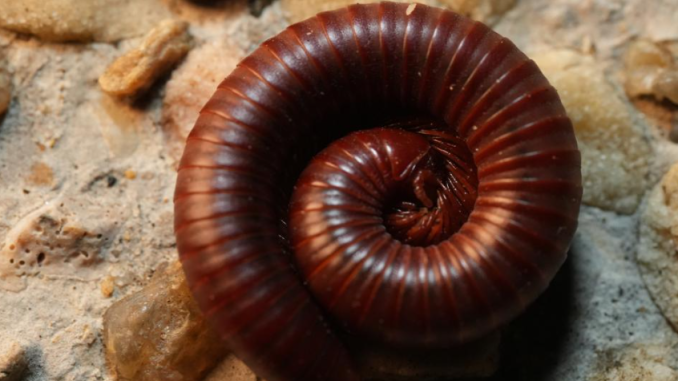
Many people mistake millipedes for centipedes, but they are different creatures. Millipedes usually move slowly and curl into a spiral when disturbed.
Unlike centipedes, millipedes do not normally bite or sting people. However, some species release defensive chemicals that can irritate human skin and eyes.
1. Skin irritation: Contact with millipede secretions may cause redness, burning or itching.
2. Dark skin staining: Some species release chemicals that leave brownish or dark stains on the skin. These marks may take time to disappear.
3. Eye irritation: If the secretion gets into the eyes, it can cause pain, redness, watering and irritation.
4. Blistering: Certain millipede chemicals can cause blister-like skin reactions, particularly after prolonged contact.
5. Allergic reactions: Some individuals may be more sensitive and experience stronger irritation.
What should you do?
If millipede secretions touch your skin, wash the area thoroughly with soap and plenty of water. Remove contaminated clothing.
If the substance enters your eyes, rinse immediately with clean running water for at least 15–20 minutes and seek medical advice, especially if pain or blurred vision continues.
Do not rub your eyes or apply household chemicals to the affected skin.
Millipedes generally avoid people and release their chemicals as a defence. Avoid picking them up with bare hands, particularly when they curl up.
Leave a Reply