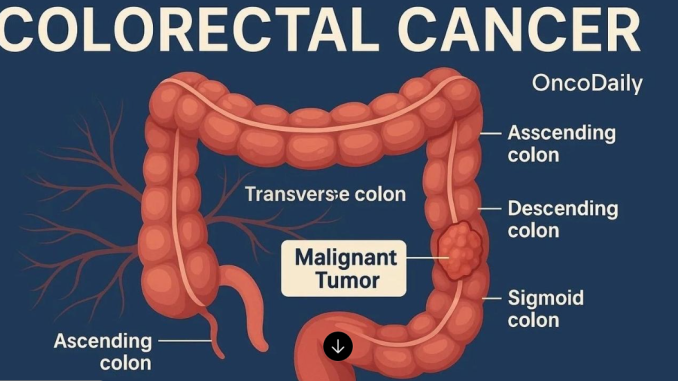
Many people do not like discussing their toilet habits, but changes in bowel movements can sometimes provide important clues about their health. Colon cancer, also known as part of colorectal cancer, develops in the large intestine. It can affect both men and women.
Not every change in bowel habits means cancer. However, persistent or unexplained changes should be investigated.
1. Blood in your stool
Blood may appear bright red or make stools look very dark. Haemorrhoids and other conditions can also cause bleeding, but it needs assessment.
2. Persistent constipation
A new change towards frequent constipation that does not improve deserves medical attention.
3. Persistent diarrhoea
Repeated loose stools can have several causes. If the change continues, it should be investigated.
4. Feeling that your bowel has not emptied
Some people experience a persistent sensation that they still need to pass stool after using the toilet.
5. Unexplained weight loss
Losing weight without trying can be associated with many medical conditions, including cancer.
6. Persistent abdominal discomfort
Cramping, pain or bloating that continues or repeatedly returns should not be ignored.
7. Unexplained anaemia
Colon cancer can sometimes cause slow blood loss, leading to iron-deficiency anaemia.
What should you do?
A doctor may recommend stool testing, a colonoscopy or other investigations depending on your age, symptoms and risk factors.
Eating more fibre, staying active and limiting processed meat can support digestive and general health, but these habits cannot guarantee that cancer will not develop.
Do not assume bleeding is simply piles, especially if it keeps happening.
Leave a Reply