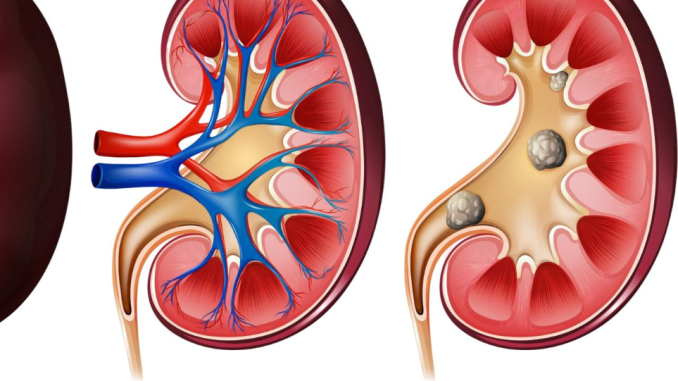
A kidney stone can be extremely painful. Some people describe the pain as sharp and intense, especially when a stone moves through the urinary tract. Kidney stones form when certain minerals and salts in urine build up and crystallise.
Not every stone has the same cause, but some lifestyle changes can help reduce the risk of developing them.
1. Do not ignore your water intake
Not drinking enough fluid can make urine more concentrated, increasing the chance that stones will form. Drink regularly unless your doctor has advised you to restrict fluids.
2. Reduce excessive salt
High salt intake can increase the amount of calcium in urine, which may contribute to some types of kidney stones.
3. Do not remove all calcium from your diet
Surprisingly, avoiding calcium-rich foods is not generally recommended for preventing common calcium stones. Normal dietary calcium can actually help reduce stone risk in many people.
4. Avoid excessive animal protein
Large amounts of meat and other animal protein may increase stone risk in some people. A balanced diet is a better approach.
5. Do not depend on lemon water as a cure
Citrus drinks contain citrate, which may help prevent certain stones in some people. But lemon water cannot dissolve every kidney stone or replace treatment.
6. Do not ignore severe pain
Kidney stones may cause severe pain in the side or back, blood in urine, nausea or vomiting. Fever or chills alongside suspected stones may indicate a dangerous infection and need urgent medical care.
Can home remedies remove kidney stones?
Some small stones may pass naturally, but others need medical treatment. The right approach depends on the stone’s size, location and type.
If you suspect kidney stones, get assessed rather than experimenting with strong herbal mixtures or delaying care.
Leave a Reply