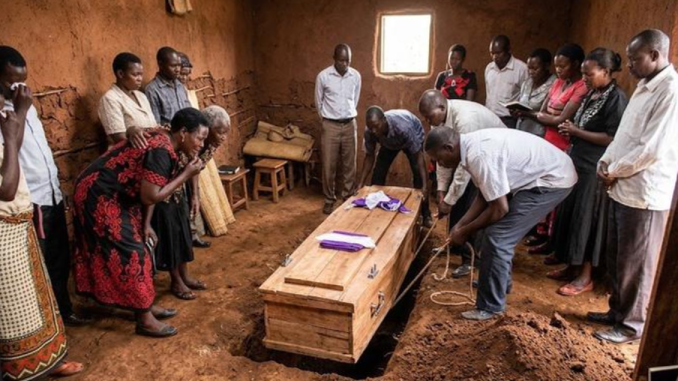
The practice has historical roots in different parts of the world, where burial sites were closely connected to family identity, heritage and traditional beliefs. For some communities, a homestead is more than just a place to live; it represents generations of family history and serves as a link between the living and their ancestors.
A report by K24 Digital has brought renewed attention to the subject following a disagreement involving Nigerian gospel singer Toluwanisings’ family over his final resting place. According to the report, the singer’s father, Muniru Adekunle Olayemi, wants his son buried inside a house he built in Ibadan or beside his late mother in their hometown of Ikirun. However, his widow, Elizabeth, reportedly prefers a conventional cemetery burial.
The disagreement highlights how decisions surrounding death can become complicated when relatives hold different views about what constitutes a respectful farewell.
Cultural Traditions and Ancestral Connections
In some communities, burying family members on ancestral land is considered an important way of preserving cultural identity. The homestead may be viewed as a permanent family home where different generations remain connected, even after death.
Traditional beliefs in certain societies also attach spiritual significance to the burial place. Some people believe that maintaining a connection with ancestral land helps preserve family heritage and honours those who came before them. However, these beliefs vary widely and are not shared by every member of a community.
Another reason families may favour home burials is the desire to honour the wishes of the deceased. A person may have expressed a preference to be buried on family land, near their parents or in a place that holds special personal meaning.
Why Burial Decisions Cause Family Disputes
Despite the cultural significance attached to home burials, disagreements can emerge when family members have different expectations. Parents may favour ancestral traditions, while spouses may prefer a cemetery or another burial location.
Practical considerations can also influence the decision. Families may need to consider religious requirements, the future use of the property, public health regulations and applicable burial laws before proceeding.
In Kenya, burial practices also differ across communities. Some families traditionally bury their relatives within the homestead, although this does not necessarily mean placing a grave inside an occupied house. The location and meaning of a burial can depend on family customs and individual circumstances.
Ultimately, the debate surrounding home burials demonstrates that laying a loved one to rest involves more than choosing a location. It can reflect a family’s history, beliefs, emotional attachments and understanding of respect for the deceased.
Leave a Reply