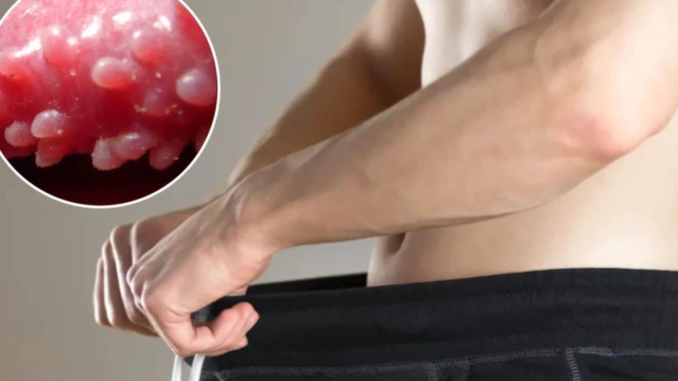
One condition that often causes confusion is known as pearly penile papules (PPP). These are tiny, pearl-like or finger-shaped bumps that develop around the rim of the head of the penis. Although their appearance can be alarming to men who have never encountered them before, they are generally harmless and are not associated with sexually transmitted infections.
According to a report by the New York Post, pearly penile papules are relatively common and can affect men from different backgrounds. The growths typically appear in one or several rows around the edge of the penis head. They may be white, pink or slightly yellow and are usually small, smooth and painless.
Medical research suggests that approximately 14 to 48 per cent of men may develop the condition. It is commonly noticed during puberty or early adulthood, although the bumps can remain visible as men grow older.
Studies have also suggested that uncircumcised men and Black men may be more likely to develop pearly penile papules. However, researchers have not established exactly why certain individuals develop the condition while others do not.
One of the biggest misconceptions surrounding these growths is that they are caused by sexual activity. Medical experts explain that pearly penile papules are not sexually transmitted infections and are not caused by the human papillomavirus (HPV), which is responsible for genital warts.
The condition is also unrelated to poor personal hygiene. Men with these growths cannot transmit them to their sexual partners through intercourse, meaning their presence does not indicate that someone has been sexually active with multiple partners.
Despite being harmless, the growths can affect a man’s confidence and intimate relationships. Some men become uncomfortable discussing the condition with their partners because they fear being mistaken for having a sexually transmitted infection. Others may avoid seeking medical attention because of embarrassment.
In most cases, treatment is unnecessary because pearly penile papules are benign and do not develop into cancer. They also do not interfere with fertility, sexual performance or a man’s ability to father children.
However, men who feel uncomfortable about their appearance can consult a qualified dermatologist or healthcare professional about possible removal procedures. Options may include laser treatment, freezing techniques and surgical removal. Attempting to remove the bumps at home is strongly discouraged because it can result in injuries, infections and permanent scarring.
Doctors also advise men not to assume that every unusual growth around the penis is a pearly penile papule. Genital warts and other infections can sometimes produce similar-looking bumps. Growths accompanied by pain, itching, bleeding, discharge or other unusual symptoms should therefore be examined by a medical professional.
The condition highlights the importance of understanding men’s intimate health and avoiding unnecessary embarrassment. What may initially appear frightening could simply be a harmless anatomical variation that requires reassurance rather than treatment.
Leave a Reply