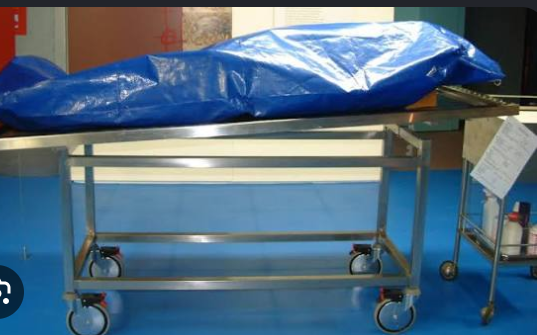
Washing and preparing a deceased person before burial is practiced in many cultures and religions. However, not every dead body is washed in exactly the same way. The process depends on the cause of death, local regulations, religious customs and the condition of the body.
Here are some common reasons why a body may be cleaned and prepared before burial.
1. To Maintain Cleanliness
After death, bodily fluids may be released, and the body can become soiled. Cleaning helps maintain basic hygiene during handling and preparation.
2. To Prepare the Body for Burial
Mortuary staff may clean and dress the deceased so that the person can be presented respectfully to relatives before burial or a viewing.
3. To Follow Religious or Cultural Customs
Many religious traditions include washing or ritual preparation of the deceased. The exact procedure differs between communities. For example, Islamic funeral practices include ritual washing of the body, known as ghusl.
4. To Reduce Exposure to Infectious Material
Where appropriate, cleaning and disinfection can help reduce contamination from bodily fluids. However, washing does not make every infectious body completely safe, and trained personnel may need to use protective equipment and special procedures.
5. To Assist With Mortuary Preparation
Cleaning is often one part of a broader process that can include dressing, positioning and, where necessary, preservation or embalming.
6. To Preserve Dignity
Preparing a deceased person carefully allows family members to say goodbye in a respectful environment. It can also help the deceased look more natural when viewed by relatives.
7. To Prepare for Transportation
Depending on local regulations and circumstances, a body may need to be appropriately prepared before being transported to another location for burial.
Important Note
Not every deceased person should simply be washed by family members. In cases involving certain infectious diseases, traumatic injuries or forensic investigations, special procedures may be required. Bodies involved in a suspected crime may also need to remain undisturbed until authorized examination has been completed.
Final Thoughts
Washing a dead body is generally part of hygienic, cultural, religious and respectful preparation rather than an attempt to “bring the person back to life” or remove something supernatural. The exact procedure varies considerably depending on the circumstances and the family’s beliefs.
Leave a Reply