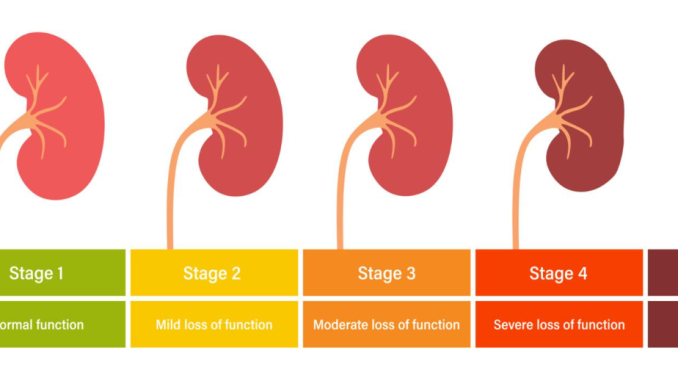
Kidney failure occurs when the kidneys lose so much function that they can no longer adequately remove waste and maintain the body’s fluid and chemical balance. It is a serious condition, but treatment can help many people live with it.
Here are seven important facts.
1. It can develop suddenly: Acute kidney injury may cause kidney function to decline over a short period because of severe illness, dehydration or other problems.
2. It can develop gradually: Chronic kidney disease may progress over years, sometimes eventually reaching kidney failure.
3. Symptoms may include swelling: Fluid retention can cause swollen legs, ankles or face.
4. Waste can build up: Advanced kidney failure may cause nausea, poor appetite, itching and difficulty concentrating.
5. Blood tests help identify it: Creatinine and eGFR measurements help doctors assess kidney function.
6. Treatment options exist: Depending on the situation, treatment may include medication, dietary adjustments, dialysis or kidney transplantation.
7. Early care matters: Treating diabetes, high blood pressure and other underlying conditions can help slow kidney damage.
Can someone live with kidney failure?
Yes. Many people live for years with kidney failure through appropriate treatment. However, the right approach depends on their overall health, kidney function and individual circumstances.
People with kidney disease should follow their specialist’s advice about medicines, fluid intake, diet and monitoring.
Avoid unverified kidney-cleansing drinks and do not stop prescribed medication without medical guidance.
Seek urgent care if you develop severe breathlessness, confusion, chest pain or a sudden major reduction in urine output.
Kidney failure is not something to diagnose from symptoms alone. Appropriate testing and specialist care are essential.
Leave a Reply