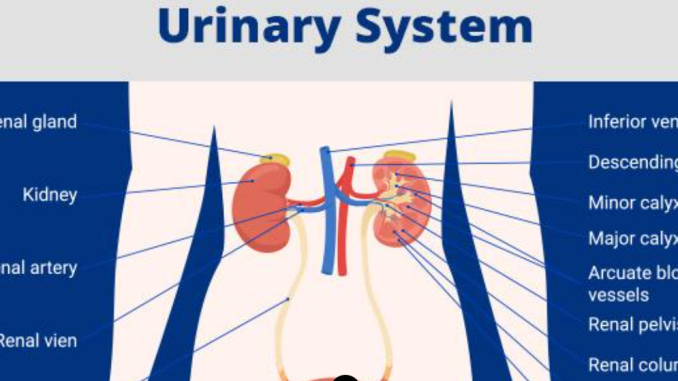
Your kidneys perform important functions every day. They filter waste products from the blood, regulate fluid levels, help control blood pressure and support the production of red blood cells.
However, kidney problems do not always produce obvious symptoms in their early stages. Some people only discover they have kidney disease after undergoing routine medical tests.
Here are seven possible warning signs.
1. Swelling around your feet and ankles
When the kidneys cannot remove excess fluid effectively, fluid may accumulate in the body. This can cause swelling around the feet, ankles, hands or face.
2. Changes in urination
Urinating more frequently, particularly at night, or noticing a persistent change in urine output may sometimes be associated with kidney problems.
3. Foamy urine
Persistent foamy urine may indicate protein in the urine. Healthy kidneys normally prevent significant amounts of protein from escaping into urine.
4. Unusual tiredness
Kidney disease can contribute to anaemia and the accumulation of waste products in the blood. Both may cause weakness and fatigue.
5. Poor appetite and nausea
As kidney function declines, waste products can build up in the body. Some people experience nausea, vomiting or reduced appetite.
6. Itchy skin
Persistent itching can occur in advanced kidney disease, partly because the body’s mineral balance becomes disturbed.
7. Difficulty concentrating
When kidney function becomes significantly reduced, waste products and chemical imbalances may affect the nervous system and concentration.
How can you protect your kidneys?
Manage blood pressure and blood sugar, drink adequate fluids, avoid smoking and do not use painkillers such as ibuprofen excessively without medical advice.
Avoid unverified herbal mixtures marketed as kidney cleansers. They may cause harm or interfere with treatment.
A blood test measuring estimated glomerular filtration rate (eGFR) and a urine test for albumin can help assess kidney health.
If you have diabetes, high blood pressure or a family history of kidney disease, ask your healthcare professional whether regular kidney checks are appropriate.
Leave a Reply