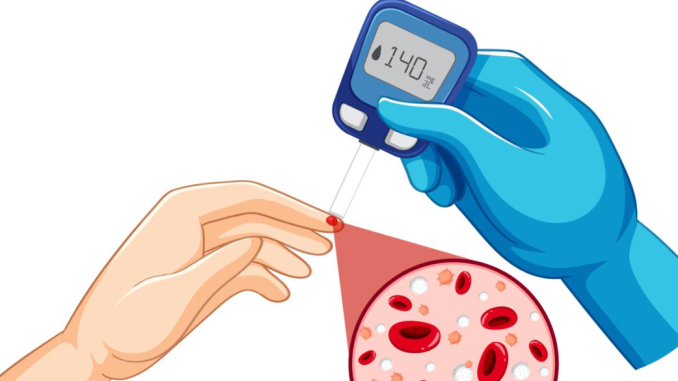
Diabetes is a condition that affects how the body controls blood glucose, commonly called blood sugar. It can develop gradually, and some people may have it for years without recognising the symptoms.
Knowing the possible warning signs can encourage earlier testing and treatment.
1. Frequent urination: High blood glucose can cause the kidneys to remove more glucose through urine, increasing the need to urinate.
2. Excessive thirst: Losing more fluid through urination can make you unusually thirsty.
3. Increased hunger: Some people feel hungry frequently because their bodies cannot use glucose properly.
4. Unexplained weight loss: This can happen when the body cannot use glucose effectively and begins breaking down fat and muscle for energy.
5. Blurred vision: High blood glucose can temporarily affect the shape of the lens inside the eye, making vision unclear.
6. Slow-healing wounds: Diabetes can affect circulation, nerves and the body’s ability to heal properly.
7. Tingling or numbness: Long-term high blood glucose can damage nerves, particularly in the feet and hands.
What should you do? A blood glucose test or HbA1c test can help identify diabetes. Do not rely on symptoms alone because some people have no noticeable warning signs.
Seek urgent medical attention if excessive thirst and urination occur with vomiting, abdominal pain, deep or rapid breathing, confusion or severe weakness.
Final thoughts: Diabetes can be managed, and early diagnosis is important. If you notice several of these symptoms, arrange a medical check rather than trying to treat the problem with herbal mixtures or dietary changes alone.
Leave a Reply