Reaching the age of 50 is a good opportunity to review your health and identify problems that may not produce obvious symptoms at first. Some conditions develop quietly, which is why preventive health checks are important.
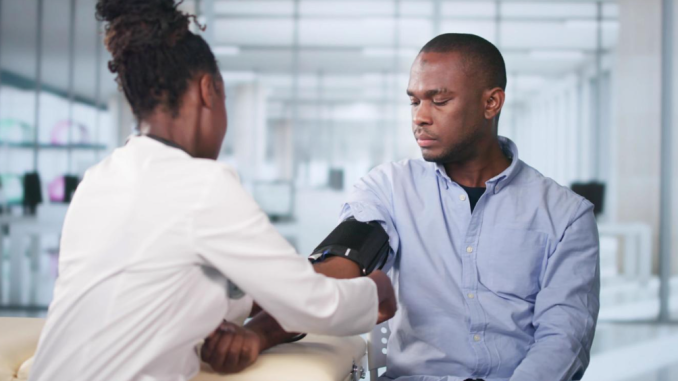
1. Blood pressure: High blood pressure often has no noticeable symptoms. Regular measurement helps identify it early and allows treatment where necessary.
2. Blood sugar: Testing can identify prediabetes or diabetes, particularly in people with risk factors such as excess weight or a family history of the condition.
3. Cholesterol: A blood test can measure cholesterol and help assess the risk of cardiovascular disease.
4. Colorectal cancer screening: Screening is recommended for many average-risk adults from age 45 in some guidelines. Ask which method is available and suitable for you.
5. Eye examination: Ageing can increase the risk of conditions such as glaucoma and cataracts. Regular eye checks can help identify problems.
6. Bone health assessment: Bone density testing may be appropriate depending on age, sex, fracture history and other risk factors.
You should also discuss vaccinations, hearing, dental health and any symptoms that have recently developed. Not everyone needs the same tests, so screening should be based on personal medical history.
Final thoughts: Health checks are most useful when they are chosen according to your individual risk. Keep a record of your results, ask questions and follow up on abnormal findings. Taking preventive care seriously after 50 can help protect your health and independence as you grow older.
Leave a Reply