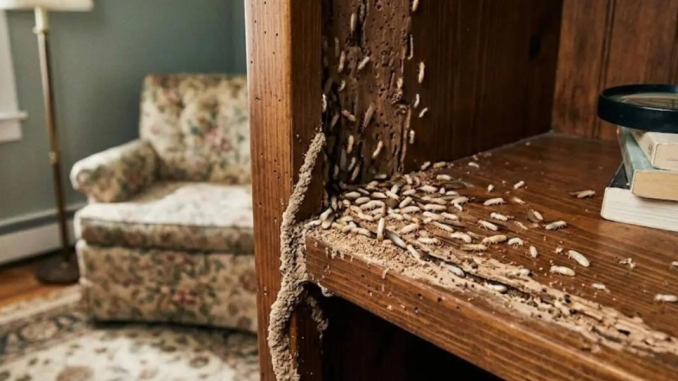
Termites can silently damage wooden furniture, doors, cupboards and other household structures. The problem is that an infestation may remain hidden for a long time before visible damage appears. If you want to protect your furniture, here are seven practical steps to consider.
1. Keep wooden furniture dry: Termites are attracted to suitable sources of cellulose, and damp conditions can make some areas more vulnerable. Repair leaks and reduce excess moisture.
2. Inspect furniture regularly: Check the underside of tables, wardrobes, cupboards and wooden bed frames for hollow sections, mud tubes or discarded wings.
3. Avoid storing wood against walls: Keep firewood, unused timber and cardboard away from your home’s walls and foundation.
4. Fix leaking pipes: Water leaking behind cupboards or under sinks can create favourable conditions for termite activity. Repair leaks promptly.
5. Seal cracks and gaps: Inspect areas where pipes and cables enter the building. Seal suitable openings to reduce possible entry points.
6. Buy treated timber when appropriate: Properly treated wood can offer additional protection. Make sure any treatment is suitable for indoor use and follow the manufacturer’s guidance.
7. Contact pest-control professionals: If you find mud tubes, damaged timber or active termites, professional inspection and treatment may be necessary.
What should you avoid? Do not pour petrol, kerosene or random chemicals on wooden furniture. These substances can create fire hazards, expose people to harmful fumes and fail to eliminate the colony.
Final thoughts: Termite prevention requires regular inspection, moisture control and early treatment. If you suspect a serious infestation, professional help is often the safest and most effective option.
Leave a Reply