Humans depend heavily on their eyes and ears to understand the world. But some animals possess senses that are far more specialised than ours. They can detect vibrations, electrical signals, magnetic fields and chemical traces that humans cannot naturally perceive.
1. Sharks

Sharks can detect weak electrical signals produced by the muscles of other animals. Special organs around their heads help them locate prey, even when it is hidden under sand.
2. Snakes

Some snakes, including pit vipers, have specialised heat-sensing pits. These organs help them detect infrared radiation from warm-bodied prey, even in darkness.
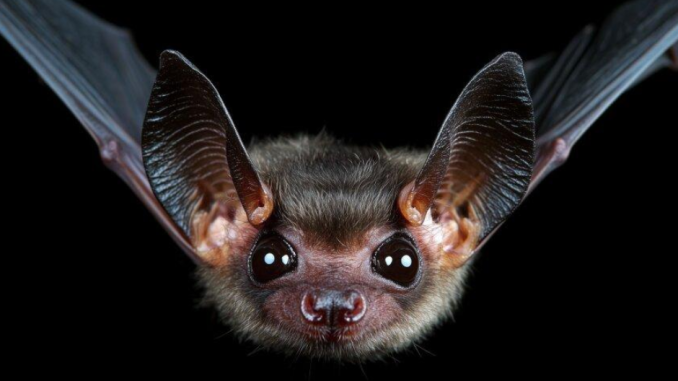
3. Bats

Many bats use echolocation. They produce sounds and listen for returning echoes, allowing them to navigate and locate insects in darkness.
4. Dogs

Dogs have an extraordinary sense of smell. Depending on their training, they can detect certain drugs, explosives, diseases and missing people through scent.
5. Elephants

Elephants can detect very low-frequency sounds, including some vibrations transmitted through the ground. This may help them communicate over long distances.
6. Pigeons

Pigeons have remarkable navigation abilities. Research suggests they can use several environmental clues, including the Earth’s magnetic field, to help find their way.
7. Mantis shrimp

Mantis shrimp have unusually complex eyes and can detect forms of light that humans cannot see, including ultraviolet light and polarised light.
Final thoughts
Animals experience the world in ways humans can hardly imagine. Their specialised senses are not magic; they are biological adaptations that help them find food, avoid danger and communicate.
Leave a Reply