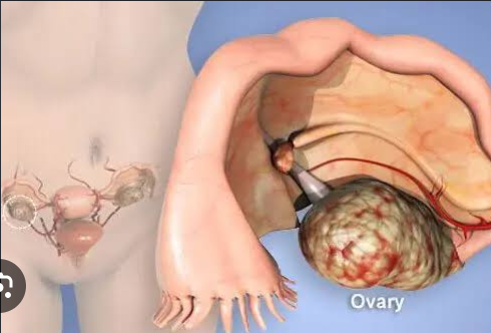
Ovarian cancer affects one or both ovaries, which are part of the female reproductive system. It can be difficult to detect early because some of its symptoms resemble common digestive or menstrual problems. Persistent changes are therefore worth discussing with a healthcare professional.
1. Persistent bloating: Bloating that happens frequently and does not go away may be one possible symptom. Pay attention when it is new or unusual for you.
2. Pain in the lower abdomen or pelvis: Ongoing pelvic discomfort or pain can have many causes, but persistent unexplained pain should be checked.
3. Feeling full very quickly: Some women notice that they become full after eating only a small amount of food.
4. Frequent urination: Feeling the need to urinate more often or urgently can occur when a pelvic problem affects the bladder.
5. Changes in bowel habits: Constipation or other digestive changes that persist may need medical investigation, particularly when combined with bloating or pelvic pain.
6. Unexplained weight loss: Losing weight without trying can be associated with many health conditions, including some cancers.
7. Unusual vaginal bleeding: Bleeding after menopause or bleeding that is unusual for your normal cycle should always be assessed.
Final thoughts: These symptoms do not automatically mean ovarian cancer. Digestive conditions, infections and hormonal changes can cause similar problems. However, if symptoms are frequent, persistent or unusual for your body, arrange a medical examination. There is currently no routine screening test recommended for every woman at average risk, so reporting persistent symptoms is important.
Leave a Reply