It may sound unbelievable, but some animals sometimes eat their own eggs or young. Scientists call this behaviour filial cannibalism when parents consume their offspring. It can happen for different reasons, including stress, lack of food, poor environmental conditions or reproductive strategy.
1. Hamsters: Mother hamsters may sometimes eat their babies when they are extremely stressed, disturbed or malnourished. This behaviour can also occur when a baby is already dead or seriously unwell.
2. Some fish: Certain fish species eat their own eggs or newly hatched young. In some cases, parents consume a portion of their eggs to regain energy or because conditions are unsuitable for raising them all.
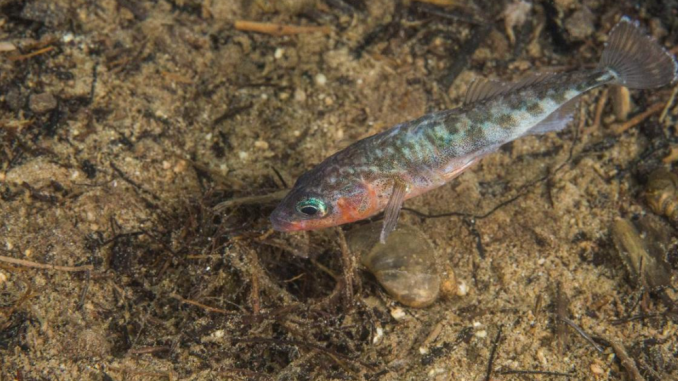
3. Stickleback fish: Male sticklebacks normally guard their eggs, but under certain conditions they may eat some of them. This can happen when food is scarce or the nest is disturbed.
4. Rabbits: A mother rabbit may occasionally consume a dead or severely compromised newborn. However, rabbits do not normally eat healthy babies as a routine behaviour.
5. Some snakes: Certain snake species may eat eggs, including eggs from their own clutch, although this is not a universal behaviour and varies between species.
6. Chickens: Hens may sometimes eat their own eggs, particularly if an egg breaks and they discover its contents. This is different from deliberately attacking healthy chicks.
7. Some insects: In several insect species, adults may consume their own eggs or young under stressful conditions or when food is limited.
Final thoughts: Animal parents do not always behave the way humans expect. In some species, consuming eggs or young may help the adult survive or improve the chances of the remaining offspring. These behaviours are unusual but form part of the complex survival strategies found in nature.
Leave a Reply