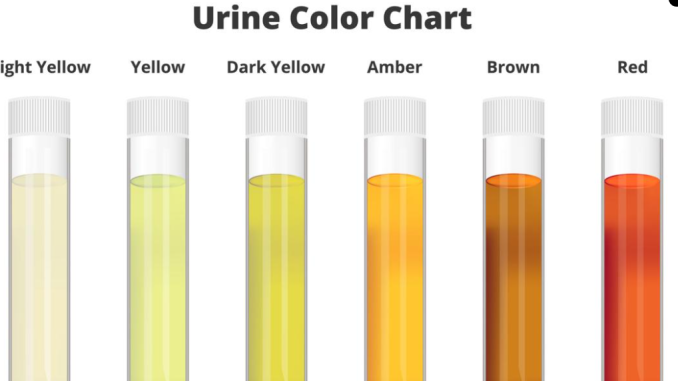
Most people visit the toilet several times a day without paying attention to the colour of their urine. However, urine colour can sometimes provide useful information about hydration and general health. While a change in colour does not automatically mean something is wrong, knowing what different shades may indicate can help you recognise when to pay attention.
1. Pale yellow urine
Pale yellow urine is commonly seen when someone is adequately hydrated. It usually indicates that the urine is not highly concentrated. However, the ideal colour can vary depending on fluid intake, diet and other factors.
2. Dark yellow urine
Dark yellow urine may indicate that you need more fluids, especially after sweating heavily or spending time in hot weather. This can happen after physical work, exercise or a long journey. Drinking water regularly may help if dehydration is the cause.
3. Completely clear urine
Very clear urine may occur when you drink a lot of water. This is not necessarily a problem, but constantly forcing yourself to drink excessive amounts is unnecessary and can be dangerous.
4. Orange urine
Orange urine can sometimes result from dehydration or certain medicines and vitamins. However, it may also be associated with liver or bile duct problems, particularly if you notice yellowing of the eyes or skin. Persistent orange urine should be medically assessed.
5. Pink or red urine
Pink or red urine may be caused by foods such as beetroot, but it can also indicate blood in the urine. Blood may be associated with infections, kidney stones or other conditions. Do not assume that it is harmless, even if you have no pain.
6. Brown or cola-coloured urine
Very dark brown urine can be associated with severe dehydration, liver problems or muscle injury, among other causes. If it persists or occurs with weakness, pain or yellowing of the eyes, seek medical attention.
7. Cloudy urine
Cloudiness may occur because of crystals, mucus or other substances. It can also be associated with urinary tract infections, especially when accompanied by burning, frequent urination or fever.
Final thoughts
Urine colour is only one clue and cannot diagnose a disease. Pay attention to changes that persist, especially blood, unusual dark colours, pain or fever. If you have a medical condition that requires fluid restriction, follow your clinician’s instructions rather than increasing your water intake on your own.
Leave a Reply