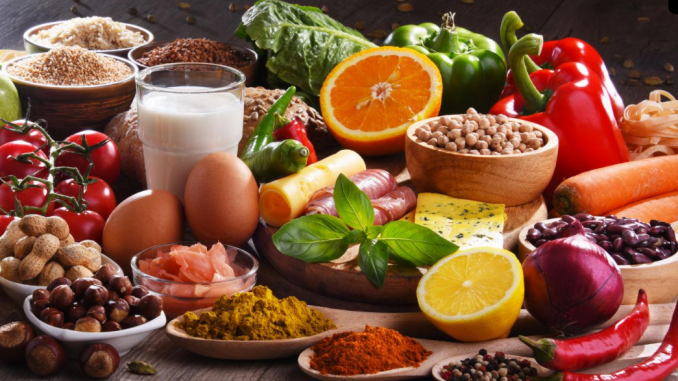
Food combinations are part of everyday life. People mix fruits, vegetables, dairy products and different meals without thinking twice. Most ordinary food combinations are perfectly safe, but certain combinations can affect digestion, nutrient absorption or blood sugar in ways worth understanding. Here are six examples to keep in mind.
1. Tea immediately with iron-rich plant meals. Tea contains compounds called tannins that can reduce the absorption of non-haem iron from plant foods. If you are trying to improve iron intake, drinking tea between meals rather than directly with an iron-rich meal may help.
2. Grapefruit with certain medications
Grapefruit can interact with some medicines by changing how the body processes them. The interaction depends on the particular medicine, so check with a pharmacist before consuming grapefruit regularly if you take prescription medication.
3. Alcohol with energy drinks
Caffeine can make a person feel more alert without reducing alcohol’s effects on judgement and coordination. Combining them can make it easier to underestimate how intoxicated you are.
4. Sugary drinks with large meals
Adding a sugary drink to an already large meal can significantly increase the amount of added sugar consumed. Choosing water more often is a practical alternative.
5. Very spicy foods with foods that trigger reflux
Some people find that spicy meals combined with fatty or acidic foods worsen heartburn. The effect differs from person to person, so pay attention to your own triggers.
6. Multiple high-salt processed foods
Combining foods such as processed meat, salty snacks and instant noodles can produce a meal with a very high sodium content. Frequent excessive sodium intake can contribute to high blood pressure.
Final thoughts
Not every food combination is dangerous, and there is no need to fear ordinary meals. The important thing is understanding medication interactions, portion sizes and how certain foods affect your own health.
Leave a Reply