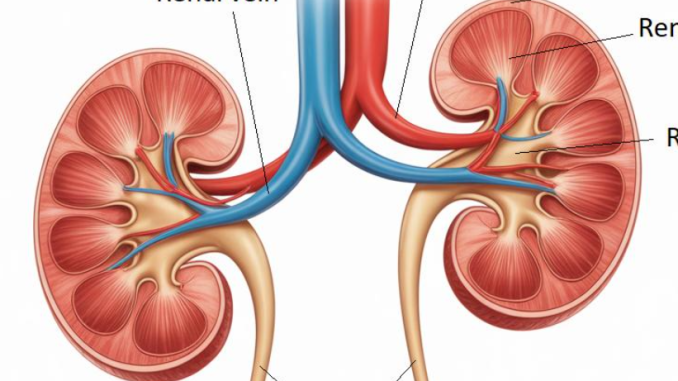
The kidneys work quietly every day, filtering waste and extra fluid from the blood. Because kidney problems may develop without obvious symptoms in their early stages, some people do not realise anything is wrong until the condition becomes more advanced.
Knowing possible warning signs can help you seek medical attention earlier.
1. Swelling around the feet and ankles
When the kidneys are not working properly, the body may retain extra fluid. This can contribute to swelling around the feet, ankles, hands or face. However, many other conditions can also cause swelling.
2. Changes in urination
You may notice changes in how often you urinate, especially at night. Some people experience difficulty passing urine or notice a change in the amount they produce.
3. Persistent foamy urine
Foamy urine can sometimes occur because urine is passed quickly. However, persistent foam may indicate protein in the urine, which can be a sign of kidney damage.
4. Blood in the urine
Urine that appears pink, red or brown may contain blood. This can have several causes, including infections, stones or kidney-related conditions, and should be checked.
5. Unusual tiredness
Kidney disease can contribute to anaemia and the build-up of waste products in the blood. These problems may cause weakness, tiredness or difficulty concentrating.
6. Persistent itching
When kidney function becomes significantly reduced, waste products can build up in the body and contribute to itching. Persistent unexplained itching should be discussed with a healthcare professional.
7. Poor appetite or nausea
Some people with advanced kidney problems experience nausea, vomiting or reduced appetite. These symptoms are not specific to kidney disease, but they deserve attention when persistent.
Final thoughts
Kidney disease cannot be diagnosed by looking at symptoms alone. Blood tests and urine tests are important for checking kidney function. People with diabetes, high blood pressure or a family history of kidney disease should discuss appropriate screening with a healthcare professional.
Leave a Reply