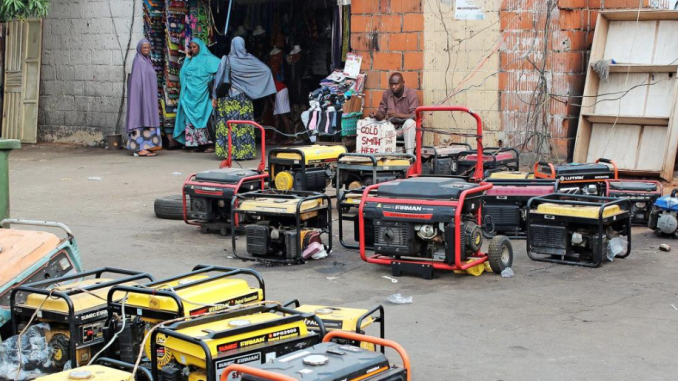
A generator can be an important source of backup electricity for homes and small businesses in Nigeria. However, buying a second-hand generator without checking its condition can lead to expensive repairs. A machine that looks clean on the outside may still have serious mechanical problems.
1. Check the engine condition, Ask the seller to start the generator while you are present. Listen for unusual knocking, excessive vibration or irregular engine sounds.
2. Look for oil leaks
Examine the area around the engine and underneath the generator. Fresh oil stains may indicate a leak that needs professional inspection.
3. Test it with an electrical load
Do not judge a generator only by how it runs without anything connected. Ask a qualified person to test it with an appropriate load to see whether it supplies electricity consistently.
4. Inspect the body for damage
Check for rust, broken parts, damaged handles and signs of poor storage. Heavy damage may indicate that the generator has been exposed to harsh conditions.
5. Ask about its maintenance history
Find out how long it has been used, how frequently it was serviced and whether major components have been replaced. Be cautious if the seller cannot explain its history.
6. Check the availability of spare parts
Before buying, find out whether mechanics and replacement parts for that particular model are readily available in your area. A cheap generator can become expensive if parts are difficult to find.
7. Compare the price with its condition
Do not rush because the seller claims that another buyer is waiting. Compare similar models and consider the cost of any repairs before making payment.
Final thoughts
A used generator can save money, but only when it is in good working condition. If possible, take an experienced technician with you before paying. A proper inspection can help you avoid an expensive mistake.
Leave a Reply