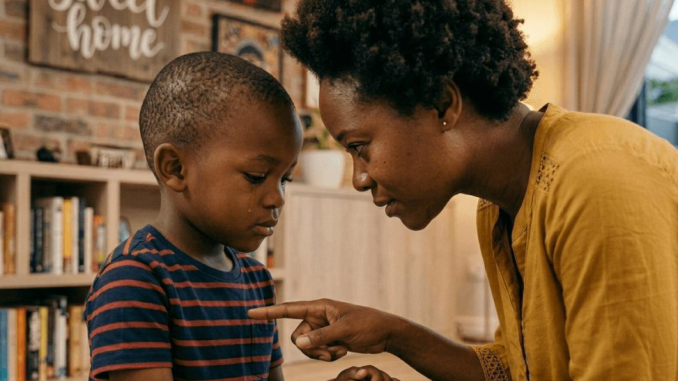
Children need more than school lessons to prepare them for everyday life. They also need practical guidance about personal safety, boundaries and what to do when they feel uncomfortable. Teaching these lessons calmly and repeatedly can help children make safer decisions as they grow.
1. Teach them that their body belongs to them, Children should understand that they have the right to personal boundaries. They should know that unwanted touching is not acceptable, even when it comes from someone they know.
2. Help them identify trusted adults
Explain which adults they can approach when they need help. Encourage them to speak to another trusted adult if the first person does not listen.
3. Teach them not to follow strangers
Children should understand that they should not go anywhere with someone they do not know without permission from their parent or guardian.
4. Explain the importance of keeping personal information private
Teach them not to share their home address, school details, phone number or family information with strangers, including people they meet online.
5. Encourage them to speak up when uncomfortable
Children should never feel they must keep an uncomfortable secret. Make it clear that they can tell you when something frightens or confuses them.
6. Teach them basic emergency information
Depending on their age, help them learn their full name, a parent’s phone number and what to do if they become separated from family members in a public place.
7. Make communication easy
Children are more likely to report problems when they know they will be listened to calmly. Avoid making them feel ashamed for asking questions or admitting mistakes.
Final thoughts
Personal safety education should be an ongoing conversation, not a one-time lecture. Use age-appropriate examples and remind children that they can always come to you when they need help.
Leave a Reply