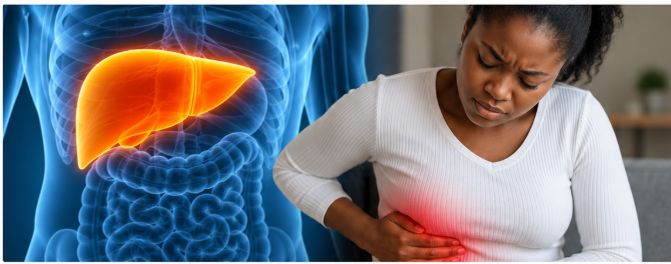
The liver is one of the most important organs in the human body. It helps process nutrients, produces substances needed for digestion, and removes waste products from the blood. However, certain liver conditions can develop without obvious symptoms in their early stages.
Knowing the possible warning signs can help you recognize when something may be wrong and seek medical attention before complications develop.
1. Constant Fatigue
Feeling tired all the time, even after getting enough rest, may sometimes be associated with liver disease. However, fatigue can also result from poor sleep, stress, anaemia and other health conditions.
2. Yellowing of the Skin or Eyes
Yellowing of the skin or the white part of the eyes is known as jaundice. It can occur when bilirubin builds up in the blood because of a liver problem or another medical condition. This symptom should be assessed promptly by a healthcare professional.
3. Loss of Appetite
A sudden loss of appetite, feeling full after eating only a small amount, or unexplained weight loss may occur in people with liver disease. If these symptoms persist, it is important to find out what is causing them.
4. Pain in the Upper Right Side of the Abdomen
The liver is located in the upper right part of the abdomen, beneath the ribs. Some liver conditions may cause discomfort in this area. However, pain in this region can also come from other organs, so it should not automatically be attributed to the liver.
5. Dark-Coloured Urine
Urine that becomes unusually dark, especially when accompanied by yellow eyes or pale stools, may be a sign of a liver or bile duct problem. Dehydration and certain medicines can also change urine colour.
6. Swelling in the Legs or Abdomen
Some people with advanced liver disease develop fluid accumulation in the abdomen or swelling in the legs and ankles. This can happen when liver function and blood circulation are affected.
7. Easy Bruising or Bleeding
The liver produces proteins that help blood clot. When it is seriously affected, a person may bruise more easily or experience unusual bleeding. These symptoms can also have other causes and should be medically evaluated.
When Should You See a Doctor?
You should seek medical advice if you experience persistent fatigue, unexplained weight loss, ongoing abdominal discomfort, or changes in urine colour.
Seek urgent medical attention if you develop yellowing of the eyes or skin, particularly with severe abdominal pain, fever, confusion, or unusual bleeding.
It is important not to diagnose liver disease based on symptoms alone. A healthcare professional may recommend blood tests, imaging, or other investigations to determine the cause.
Final Thoughts
The liver plays an important role in keeping the body healthy, but liver problems do not always produce obvious warning signs in their early stages. Symptoms such as jaundice, swelling, dark urine, and unusual bruising should not be ignored.
Maintaining a balanced diet, limiting alcohol, avoiding unprescribed medicines and herbal products that may damage the liver, and getting tested when medically indicated can help protect liver health.
Remember that these symptoms do not automatically mean you have liver disease. Early medical assessment is the best way to identify the cause and receive appropriate treatment.
Leave a Reply