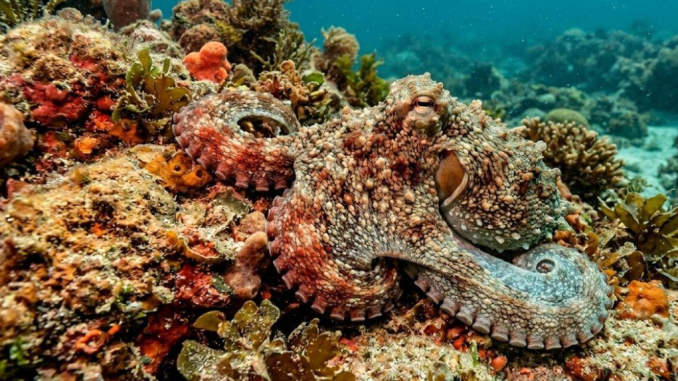
Some animals can change their appearance so dramatically that they become difficult to spot. Colour-changing abilities can help them hide from predators, catch prey or communicate with other members of their species.
1. Cuttlefish. Cuttlefish can rapidly change the colour and patterns of their skin. Special cells called chromatophores help them produce impressive displays, sometimes in seconds.

2. Octopuses

Many octopuses can change colour and skin texture to blend into rocks, coral or sand. They use specialised pigment cells and other structures to create these effects.
3. Chameleons

Chameleons change colour through specialised skin structures. Their colour changes can help with communication, temperature regulation and camouflage, depending on the species and situation.
4. Peacock flounders

These flatfish can adjust their patterns to match the seabed. Their ability to blend into sand or other backgrounds makes them difficult for predators and prey to detect.
5. Mimic octopuses

The mimic octopus can change its posture and movement to resemble other marine animals. Its camouflage is not limited to colour; it can also imitate the appearance and behaviour of different creatures.
6. Anole lizards

Some anole lizards can change their shades of colour. The changes may be connected to temperature, stress, social signals or the surrounding environment.
7. Arctic foxes

Arctic foxes do not change colour instantly like octopuses. Instead, many change their coat seasonally, becoming white in winter and darker in warmer months to suit their surroundings.
Final thoughts
Colour change takes many forms in the animal kingdom. Some animals transform in seconds, while others change their appearance over weeks or months. Each method helps them meet the challenges of their environment.
Leave a Reply