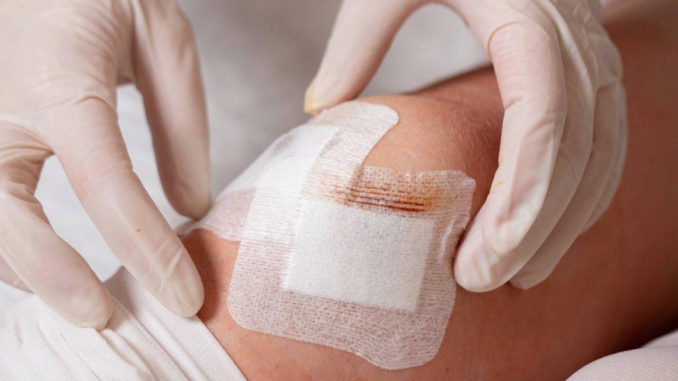
A small cut should normally begin healing over time. But when a wound remains open, repeatedly becomes infected or takes unusually long to improve, it deserves attention. Slow healing does not automatically mean a serious disease, but certain health conditions can interfere with the body’s repair process.
1. Diabetes
High blood sugar can damage blood vessels and nerves, making it harder for the body to repair injuries. People with diabetes may also fail to notice wounds, particularly on their feet. Any foot wound in someone with diabetes should be assessed promptly.
2. Poor blood circulation
When blood does not reach an injured area properly, the tissues may not receive enough oxygen and nutrients. This can delay healing, especially in the legs and feet.
3. Infection
Bacteria can enter a wound and cause redness, warmth, swelling, increasing pain or pus. Fever or spreading redness may signal a more serious infection that needs urgent medical attention.
4. Nutritional deficiencies
The body needs adequate protein, vitamin C, zinc and other nutrients to repair tissue. Poor nutrition can slow the healing process.
5. Certain immune system conditions
Some illnesses and treatments that weaken the immune system can make it harder for the body to fight infection and repair damaged tissue.
6. Chronic pressure or repeated injury
A wound may fail to close if the same area is repeatedly rubbed, pressed or injured. This is particularly important for people who spend long periods in bed or have limited mobility.
Final thoughts
Do not keep applying random substances to a wound that is not healing. Seek medical assessment if it is getting worse, showing signs of infection or not improving. Severe pain, fever, spreading redness or blackened tissue requires urgent care.
98. If Your Wound Refuses to Heal, These 6 Health Problems Could Be Involved
A small cut should normally begin healing over time. But when a wound remains open, repeatedly becomes infected or takes unusually long to improve, it deserves attention. Slow healing does not automatically mean a serious disease, but certain health conditions can interfere with the body’s repair process.
1. Diabetes
High blood sugar can damage blood vessels and nerves, making it harder for the body to repair injuries. People with diabetes may also fail to notice wounds, particularly on their feet. Any foot wound in someone with diabetes should be assessed promptly.
2. Poor blood circulation
When blood does not reach an injured area properly, the tissues may not receive enough oxygen and nutrients. This can delay healing, especially in the legs and feet.
3. Infection
Bacteria can enter a wound and cause redness, warmth, swelling, increasing pain or pus. Fever or spreading redness may signal a more serious infection that needs urgent medical attention.
4. Nutritional deficiencies
The body needs adequate protein, vitamin C, zinc and other nutrients to repair tissue. Poor nutrition can slow the healing process.
5. Certain immune system conditions
Some illnesses and treatments that weaken the immune system can make it harder for the body to fight infection and repair damaged tissue.
6. Chronic pressure or repeated injury
A wound may fail to close if the same area is repeatedly rubbed, pressed or injured. This is particularly important for people who spend long periods in bed or have limited mobility.
Final thoughts
Do not keep applying random substances to a wound that is not healing. Seek medical assessment if it is getting worse, showing signs of infection or not improving. Severe pain, fever, spreading redness or blackened tissue requires urgent care.
Leave a Reply