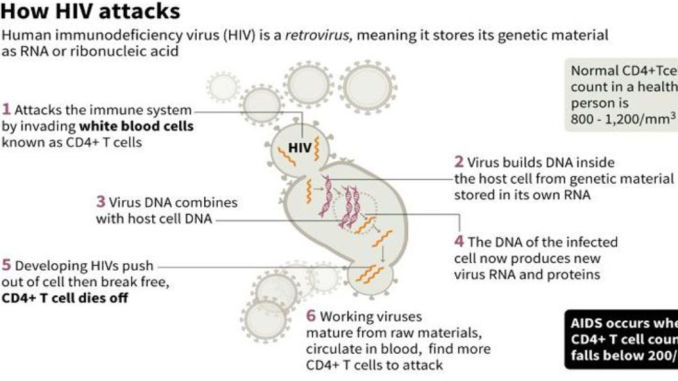
HIV is a virus that affects the immune system. One of the biggest misunderstandings about HIV is that people believe they can identify it by looking at someone’s body or checking for certain symptoms. In reality, some people experience early symptoms, while others feel completely normal. Testing is the only way to know your HIV status.
1. Fever: Some people develop a fever within a few weeks after acquiring HIV. However, fever is also common with malaria and many other infections.
2. Sore throat: A sore throat may occur during early HIV infection, often alongside other flu-like symptoms.
3. Swollen lymph nodes: Lymph nodes in the neck, armpits or groin may become swollen as the immune system responds to infection.
4. Skin rash: Some people experience a widespread rash during early HIV infection. A rash alone cannot confirm HIV.
5. Muscle and joint aches: Body aches may occur during the early stage, but they are not specific to HIV.
6. Night sweats: Some people report heavy sweating at night. This can also be caused by other infections and medical conditions.
7. No symptoms at all: This is particularly important: a person can acquire HIV and have no obvious symptoms. Looking healthy does not rule out infection.
Final thoughts: If you have had a possible HIV exposure, do not wait for symptoms. Seek medical advice about testing and post-exposure prophylaxis (PEP). PEP must be started within 72 hours after a possible exposure. HIV tests have different window periods, so a clinician can advise when to test and whether a repeat test is needed. HIV is treatable, and people who maintain an undetectable viral load do not sexually transmit the virus.
Leave a Reply