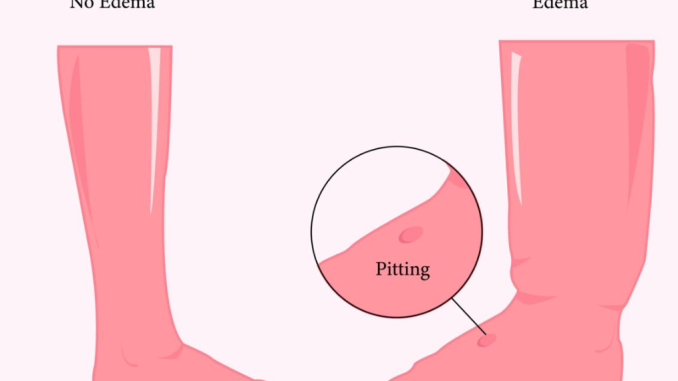
Swollen legs are sometimes blamed on standing for too long, sitting throughout the day or wearing uncomfortable shoes. Although these can contribute to swelling, persistent swelling may also be connected to the heart, kidneys, liver or blood circulation. Paying attention to whether one leg or both legs are affected can help a doctor investigate the cause.
1. Kidney disease: When the kidneys cannot remove enough excess salt and water, fluid may collect in the body. Swelling can appear around the ankles, feet and sometimes the face.
2. Heart failure: When the heart cannot pump blood effectively, fluid may build up in the legs. Some people also experience breathlessness, especially when lying down.
3. Liver disease: Advanced liver disease can affect the body’s fluid balance and contribute to swelling in the legs and abdomen.
4. Blood clots: A clot in a deep vein can cause swelling, warmth, redness or pain, usually in one leg. This needs urgent medical assessment because the clot can travel to the lungs.
5. Poor vein circulation: Veins have valves that help blood return towards the heart. When these valves do not work properly, fluid can collect around the ankles.
6. Certain medicines: Some blood pressure medicines, hormones and other drugs can cause ankle swelling as a side effect.
7. Infection or inflammation: An infection affecting the skin or tissues of the leg may cause swelling, redness, warmth and pain.
Final thoughts: Sudden swelling in one leg, particularly with pain or warmth, should be assessed urgently. Swelling accompanied by chest pain or difficulty breathing is an emergency. Do not simply massage a swollen leg or take water tablets without knowing the cause.
Leave a Reply