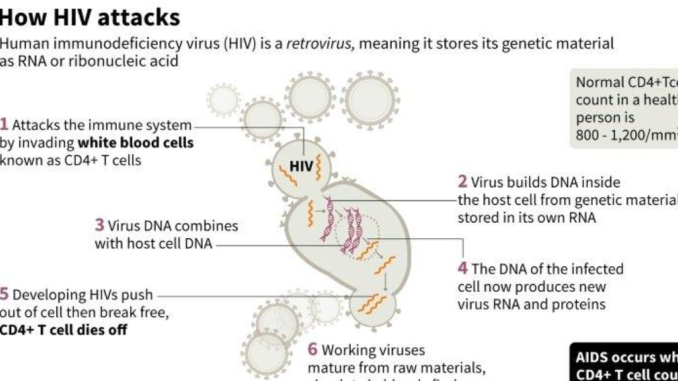
HIV is a virus that attacks the body’s immune system, particularly cells that help the body fight infections. Although HIV remains a serious health condition, modern treatment allows many people living with the virus to live long and healthy lives. Unfortunately, fear, misinformation and stigma still prevent some people from getting tested or seeking treatment.
1. HIV can be present without obvious symptoms: Some people experience flu-like symptoms shortly after infection, while others notice nothing unusual. A person can live with HIV for years without looking sick.
2. HIV is not spread through ordinary contact: HIV is not transmitted by hugging, shaking hands, sharing food, using the same toilet or sitting beside someone.
3. Certain body fluids can transmit HIV: HIV can be transmitted through infected blood, semen, vaginal fluids, rectal fluids and breast milk when these fluids enter another person’s body through the relevant routes.
4. Testing is the only way to know your status: Symptoms cannot confirm HIV. A proper HIV test is necessary, and follow-up testing may be required depending on the test used and the time since possible exposure.
5. Treatment can control the virus: Antiretroviral therapy helps people living with HIV keep the virus under control and protect their immune systems. Treatment should be taken as prescribed.
6. Undetectable means untransmittable through sex: A person who takes treatment and maintains an undetectable viral load does not sexually transmit HIV. This is known as U=U.
7. Emergency prevention is available after exposure: Post-exposure prophylaxis (PEP) may prevent HIV after a possible exposure, but it must be started within 72 hours. The sooner it is started, the better.
Final thoughts: HIV is a medical condition, not a reason to discriminate against anyone. If you think you may have been exposed, seek medical attention immediately to discuss PEP and testing. Do not wait for symptoms. In Nigeria, qualified health facilities and HIV treatment centres can provide confidential testing, counselling and care.
Leave a Reply