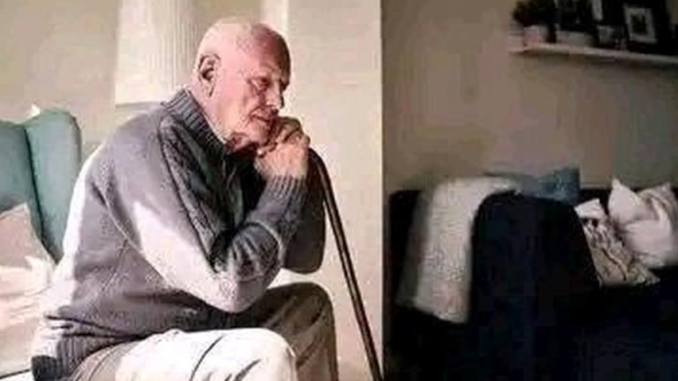
Turning 60 is an important stage of life that comes with valuable experience, but it can also bring changes in the body. As people age, immunity, muscles, bones, blood vessels and other body systems may gradually become less efficient. This can increase the risk of certain health problems.
One common condition is high blood pressure. It may develop without obvious symptoms while gradually damaging the heart, brain and kidneys. Regular blood-pressure checks, reducing excess salt, exercising and maintaining a healthy weight can help lower the risk.
Type 2 diabetes also becomes more common with advancing age. Eating excessive refined carbohydrates and sugary foods, being physically inactive and gaining excess weight can increase the risk. Choosing vegetables, whole grains, legumes and moderate portions while remaining physically active can support healthy blood sugar levels.
Heart disease is another major concern. High cholesterol, high blood pressure, smoking, diabetes and inactivity can contribute to problems affecting the heart and blood vessels. Older adults should have regular medical check-ups and avoid tobacco while maintaining a balanced diet and an active lifestyle.
Arthritis and other joint problems can make movement painful and difficult. Although ageing itself cannot always be prevented from affecting the joints, maintaining a healthy weight and engaging in suitable activities such as walking, stretching and strength exercises can protect mobility.
Older adults are also more vulnerable to osteoporosis and fractures because bones may gradually lose density. Adequate calcium and vitamin D, safe sunlight exposure, strength exercises and fall-prevention measures can help maintain stronger bones.
Respiratory infections may also become more serious after 60. Good hygiene, appropriate vaccinations, avoiding tobacco smoke and seeking medical attention when symptoms become severe can reduce complications.
Another important issue is vision and hearing loss. Regular eye and hearing examinations can identify problems early and help older adults remain independent.
Ageing is natural, but becoming older does not automatically mean becoming sick. Regular health screening, nutritious meals, physical activity, adequate sleep, social connection and responsible use of medication can make a significant difference.
The smartest approach is prevention rather than waiting for serious symptoms. Small healthy habits practised consistently can help protect independence and improve quality of life well into older age.
What other health problems do you think people over 60 should watch closely? Comment and share your ideas.
Leave a Reply