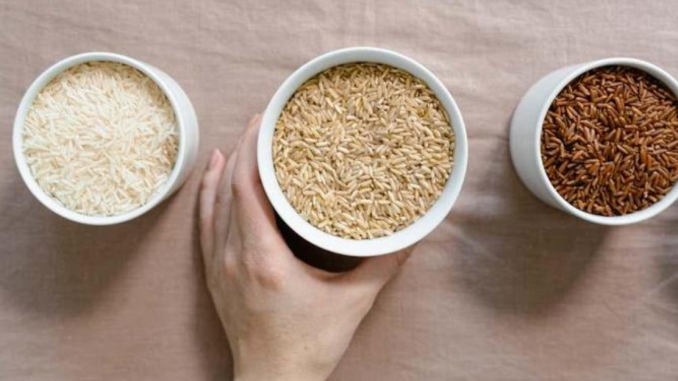
Rice is a staple food in many Kenyan homes and is normally eaten with beans, vegetables, fish, chicken, or meat. The question people with diabetes will have is whether rice does, in fact, raise blood sugar and whether they therefore need to avoid it.
The good news is that people with diabetes can eat rice. The trick is in portion control, choosing the right foods, and balancing your meals to achieve good blood sugar control.
How does rice affect blood sugar?
Rice contains carbohydrates (mainly starch), which the body turns into glucose; this glucose enters the blood to provide energy.
People with diabetes may have trouble making insulin or using it well, which makes it harder to control their blood sugar.
Rice is a carbohydrate and will raise blood sugar levels. How much it raises depends on how much you eat, the kind of rice, how it’s cooked, and what else is in the meal.
Rice with vegetables and protein will, of course, make a much more balanced meal. If you’re monitoring your blood sugar, your readings may also help you see how different portions affect you.
Is white rice bad for people with diabetes?
People with diabetes don’t have to avoid white rice completely. However, it is a refined grain (the bran and germ are taken out during processing) and usually has less fiber than brown rice.
Depending on the type, portion size, how it’s cooked, and what it’s eaten with, white rice can raise blood sugar faster than some less processed options.
You can still include white rice in a balanced diet. You could serve it with sukuma wiki and beans or with fish and cabbage.
Is brown rice healthier than white rice?
Brown rice is a whole grain (it keeps the bran and germ) and usually has more fiber and some nutrients than white rice.
Fiber is good for digestion and may help control blood sugar as part of a balanced diet. Brown rice is still a carbohydrate and will raise blood sugar.
Brown rice:
Generally has more fiber than white rice.
Provides nutrients (magnesium and the B vitamins)
Is a whole-grain option.
White rice:
Has less fiber because of processing.
Can be part of a balanced diabetes meal plan.
May affect blood sugar differently depending on the variety and portion size.
Brown rice is a good option if you like it and can afford it, but white rice can also fit into a diabetes-friendly eating pattern.
How much rice should you eat if you have diabetes?
There is no single ‘right’ portion size. It varies by person, depending on your blood sugar goals, activity level, medications, and overall nutrition needs.
One practical approach is the diabetes plate method:
Half the plate: non-starchy vegetables (sukuma wiki, spinach, cabbage, green beans, etc.)
One quarter of the plate: protein foods (fish, eggs, chicken, lean meat).
One quarter of the plate: carbohydrate foods (i.e., rice and other starchy foods).
Beans and lentils provide protein, fiber, and carbohydrates, so include them when planning your meal.
Remember that ugali, chapati, bread, and potatoes all contain carbohydrates. Eating large amounts of several of these foods in one meal will increase your total carb intake.
A healthcare professional or registered dietitian can help you work out the right portions for you.
5 Tips for Eating Rice With Diabetes
1. Watch Your Portion Sizes
How much rice you eat affects the total carbs in your meal. A big portion will cause a bigger rise in blood sugar.
Serve a moderate amount of rice with your vegetables and protein rather than filling your plate with rice. If you have an individual meal plan, follow it.
2. Add More Non-Starchy Vegetables
Vegetables give fiber, vitamins, and minerals. They help make meals more filling so you do not need to eat large amounts of rice.
Good options are sukuma wiki, spinach, cabbage, and green beans.
3. Include Protein
Protein foods help to build and maintain body tissues and are part of a balanced diet.
Serve the rice with fish, eggs, chicken, lean meat, beans, or lentils. Protein doesn’t cancel out the carbs in rice, but it does add extra nutritional value to the meal.
4. Choose Whole Grains More Often
Brown rice and oats are whole-grain foods that can help you increase your fiber intake.
Other good sources of fiber are beans, lentils, peas, vegetables and whole fruit.
If brown rice is not available or is too expensive, white rice is fine. Focus on balanced meals and sensible portions, rather than relying on just one food to control your blood sugar.
5. Monitor Your Blood Sugar
If you’re checking your blood sugar, stick to your doctor’s advice on when to do it and how to interpret the results.
Keeping a record of your meals and blood sugar readings may help you see patterns in how different amounts of rice affect your blood sugar.
If your readings are often outside your recommended range, you should see your doctor. Don’t change your medicine based on one reading without medical advice.
How should you cook rice?
Simple cooking methods let you prepare rice without adding fat or salt.
Boil or steam the rice. Boil or steam the rice to cook it without adding much oil or butter. (This allows you to make the rice without adding a lot of oil or butter.
Add vegetables (carrots, cabbage, spinach, green beans, etc.) to add nutritional variety to the meal.
Serve with protein: rice with fish, eggs, chicken, beans, or lentils.
Limit excess salt and added sugar by checking labels on packaged seasonings and sauces when possible. Added sugar: Check labels on packaged seasonings and sauces when you can.
Cooking methods will affect how you cook rice; they change its texture but do not remove the carbs. Portion size still matters.
Can you eat rice every day if you have diabetes?
Rice can be part of the daily diet for some people with diabetes if the amount of rice and total carbs eaten suit that person.
However, you can vary your carbohydrates. You can also vary your carbohydrate sources to add variety to your diet. These include brown rice, oats, sweet potatoes, beans, lentils, and whole-grain maize foods.
For instance, you could have rice with vegetables and beans one day and ugali with fish and sukuma wiki the next.
The aim is to maintain a balanced diet that helps control blood sugar while meeting your personal nutrition needs and food preferences. This will help control blood sugar while meeting your individual nutritional needs and food preferences.
Should you stop eating rice completely?
The vast majority of people with diabetes don’t need to stop eating rice completely. They need to watch portion sizes, consider their whole diet, and focus on eating well—the quality of their diet.
If you’re on insulin or any other medicatIf you take insulin or other medicine that can cause low blood sugar, talk to your doctor before changing your carb intake. Your treatment plan might need safe adjustments.ion that can lead to hypoglycaemia then you should talk to your doctor before making any significant changes to your carb intake. Your treatment plan may need safe adjustments.
Final Thoughts
People with diabetes can eat rice as part of a healthy diet. Brown rice usually has more fiber than white rice, but both can fit into a good diet. Either type can be part of an appropriate diet.
Pick appropriate portions, include some vChoose the right portions, add vegetables and protein, and vary your carbohydrate sources. If you check your blood sugar, use your results and your doctor’s advice to guide your food choices.
Disclaimer: This article is for general information only and is not a substitute for individual medical advice. Please seek the advice of a qualified healthcare professional or registered dietitian for advice specific to your circumstances.
Leave a Reply