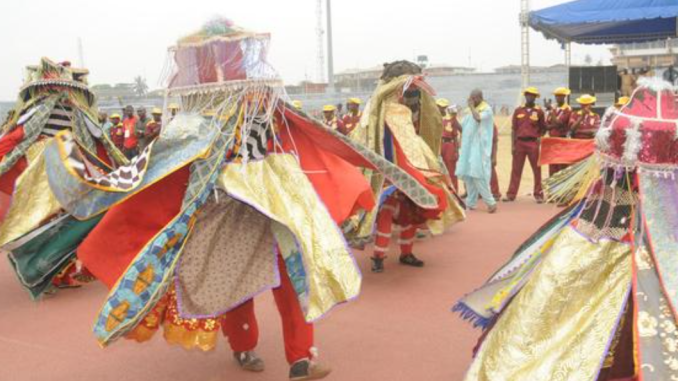
Nigeria is home to many ethnic groups, languages and cultural traditions. Across different communities, people continue to observe customs passed down through generations. Some practices are connected to religion, family identity, respect for elders or traditional ideas about good fortune.
Here are six examples of beliefs and customs that remain familiar in parts of Nigerian society.
1. Respecting elders through greetings
In many Nigerian communities, greeting older people is considered an important sign of good upbringing. The custom reflects respect, family values and the importance placed on age and experience.
2. Removing shoes before entering certain homes
Some families expect visitors to remove their shoes before entering. This may be connected to cleanliness, household rules or religious and cultural preferences.
3. Avoiding certain activities at night
Some communities have traditional beliefs about particular activities that should not be performed after dark. These beliefs often come from local stories, customs or older ways of organising community life.
4. Naming ceremonies for newborn children
Naming ceremonies are important in many Nigerian cultures. They introduce a child to the wider family and community, while celebrating identity, heritage and the meaning behind a child’s name.
5. Seeking family blessings before marriage
In many communities, marriage is seen as a union involving more than two individuals. Families may meet, exchange greetings and formally give their blessings as part of the marriage process.
6. Giving kola nuts to welcome visitors
In some Igbo and other communities, kola nuts are used in traditional hospitality and ceremonies. Their presentation can symbolise welcome, respect and goodwill.
Final thoughts
Traditional beliefs and customs are not identical across Nigeria, and people may practise them differently. Understanding their origins can help younger generations appreciate cultural heritage while also thinking carefully about which traditions remain meaningful today.
Leave a Reply