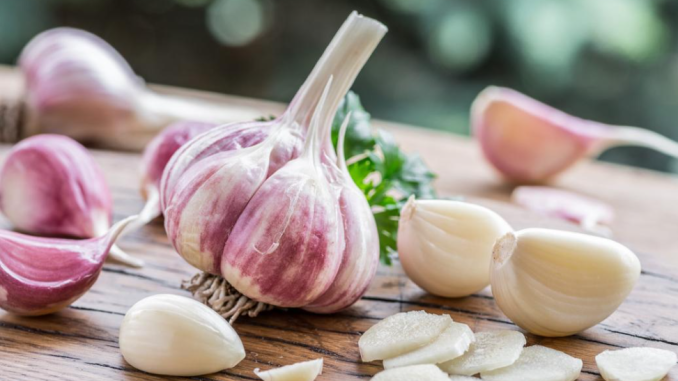
Garlic is a familiar ingredient in many Nigerian kitchens. It is used to season soups, stews, sauces and meat. But beyond its strong smell and flavour, garlic contains natural compounds that have attracted scientific interest.
One of its best-known compounds is allicin, which forms when garlic is chopped or crushed.
So what might happen if you eat garlic regularly?
1. It adds useful plant compounds to your diet
Garlic contains sulphur-containing compounds that researchers continue to study for their biological effects.
2. It may have a modest effect on blood pressure
Some studies suggest garlic preparations may help reduce blood pressure in certain people. However, garlic is not a substitute for prescribed blood pressure medication.
3. It may modestly affect cholesterol
Some research suggests garlic supplements can produce small changes in cholesterol levels. Results vary, and garlic should not replace cholesterol treatment.
4. It contains antioxidant compounds
Garlic has compounds that can help protect cells from oxidative stress in laboratory and other research settings.
5. It can make healthy meals more enjoyable
Its strong flavour can help people prepare tasty meals with less added salt.
6. It may cause stomach discomfort
Eating large amounts of raw garlic can cause heartburn, gas, nausea or abdominal discomfort in some people.
7. It can increase bleeding risk in certain situations
Garlic supplements, especially in large amounts, may increase bleeding risk or interact with blood-thinning medicines. People taking these medicines should seek medical advice before using supplements.
How much garlic should you eat?
There is no single daily amount proven to prevent disease. Using ordinary quantities in food is generally reasonable for most people.
Do not swallow large amounts of raw garlic or use garlic mixtures to treat serious infections, cancer, kidney disease or high blood pressure.
Garlic can be part of a healthy diet, but it is not a miracle medicine.
Leave a Reply