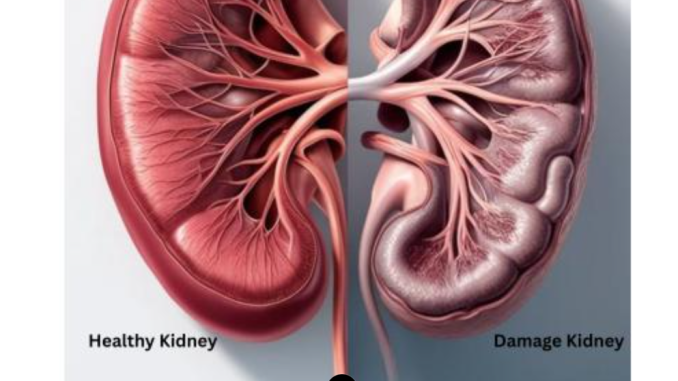
Many people believe that kidney disease must cause severe back pain before it becomes dangerous. Unfortunately, that is not always true. Chronic kidney disease can develop gradually, and many people experience no noticeable symptoms in its early stages.
This is why people who have diabetes or high blood pressure should pay particular attention to their kidney health.
1. Your kidneys can lose function quietly
The kidneys may become less effective at filtering waste without causing obvious discomfort.
2. Back pain is not a reliable early warning
Kidney disease does not usually announce itself through typical lower-back pain. Back pain can also come from muscles, bones and other conditions.
3. Blood pressure can reveal a problem
Kidney disease and high blood pressure are closely connected. Each can make the other worse.
4. Urine tests can detect hidden problems
A urine test can identify albumin, a protein that may leak into urine when kidney filters are damaged.
5. Blood tests can measure kidney function
A blood test measuring creatinine helps doctors estimate how well the kidneys are filtering waste.
6. Diabetes increases the risk
High blood sugar over time can damage the tiny blood vessels inside the kidneys.
7. Early treatment can slow progression
Controlling blood pressure, managing diabetes and taking prescribed medicines can help protect kidney function.
Who should consider kidney checks?
People with diabetes, high blood pressure, cardiovascular disease or a family history of kidney disease should discuss regular testing with their healthcare professional.
Do not wait for swollen feet, vomiting or severe weakness before getting checked. Kidney disease can be present even when you feel perfectly normal.
Leave a Reply